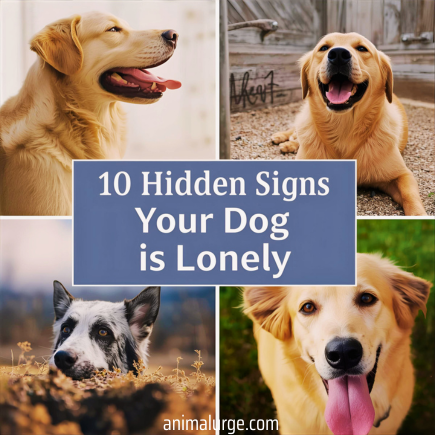
You spent the whole weekend at home. Your dog was right there on the couch beside you. But somehow, despite all that time together, something feels off. Maybe your furry friend seems a little distant, or you’ve noticed small changes you can’t quite explain.
Here’s what many dog owners don’t realize: your dog can feel deeply lonely even when you’re sitting right next to them. Loneliness in dogs isn’t always about being physically alone. Sometimes it’s about feeling emotionally disconnected, understimulated, or forgotten—even in a full house.
The truth is, dogs are pack animals who crave more than just our presence. They need connection, purpose, and engagement. And when they don’t get it, they find quiet ways to tell us—ways we often miss completely.
Let’s look at the hidden signs your dog might be lonelier than you think, and what you can do to help them feel whole again.
They Sleep Way More Than Usual
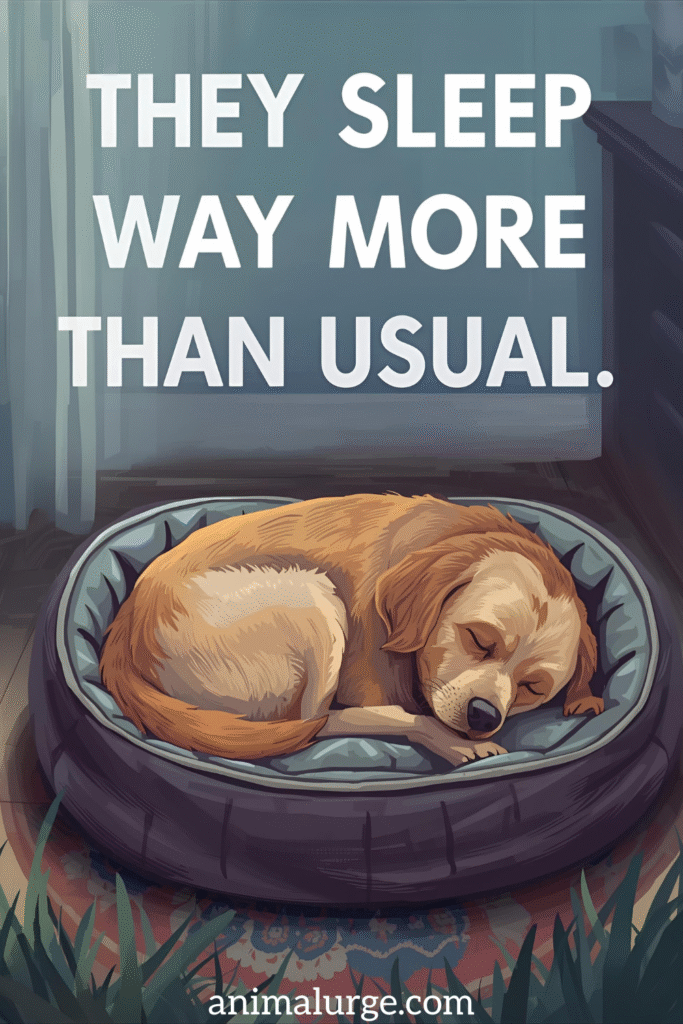
If your dog suddenly spends most of the day curled up in bed, it might not be laziness. Excessive sleeping can be your dog’s way of coping with loneliness or boredom.
While dogs naturally sleep about 12 hours a day, lonely dogs often retreat into sleep to pass the time when nothing else engages them. It’s like how we might zone out scrolling our phones when we feel disconnected. For dogs, sleep becomes an escape from emotional emptiness.
Watch for changes in sleep patterns, especially if your dog used to be more playful and alert. If they’re suddenly sleeping in unusual spots—like hiding under furniture or retreating to corners—it’s often a sign they’re feeling isolated and seeking comfort alone.
What to do: Spend 15 minutes twice a day doing something your dog loves—whether it’s a game of hide-and-seek, a scent walk where they can sniff everything, or working on puzzle toys together. Mental stimulation matters just as much as physical exercise. When their brain is engaged, they won’t need to escape into sleep.
They’re Overly Excited When You Finally Pay Attention

Does your dog go completely wild the moment you stand up or walk into the room? Jumping, spinning, frantic barking—it looks like pure joy, but it’s often masking anxiety.
This extreme burst of energy usually means your dog has been quietly anxious during your absence or inattention, and their relief comes out as chaotic excitement. Dogs who feel secure and emotionally fulfilled tend to greet their owners calmly. Those who struggle with loneliness can’t contain the emotional rollercoaster they’ve been riding.
Think of it like a child who’s been waiting all day to see their parent. The longing builds and builds, and when the moment finally arrives, it explodes.
What to do: Create calm greeting routines. When you come home or stop working, ignore your dog for the first few minutes. Wait until they settle before offering attention. It sounds harsh, but it actually helps them learn that your presence is predictable and steady—not something to panic over. Pair this with regular check-ins throughout the day. A quick 5-minute play session every few hours can prevent that desperate build-up of need.
They Follow You Everywhere—Even to the Bathroom
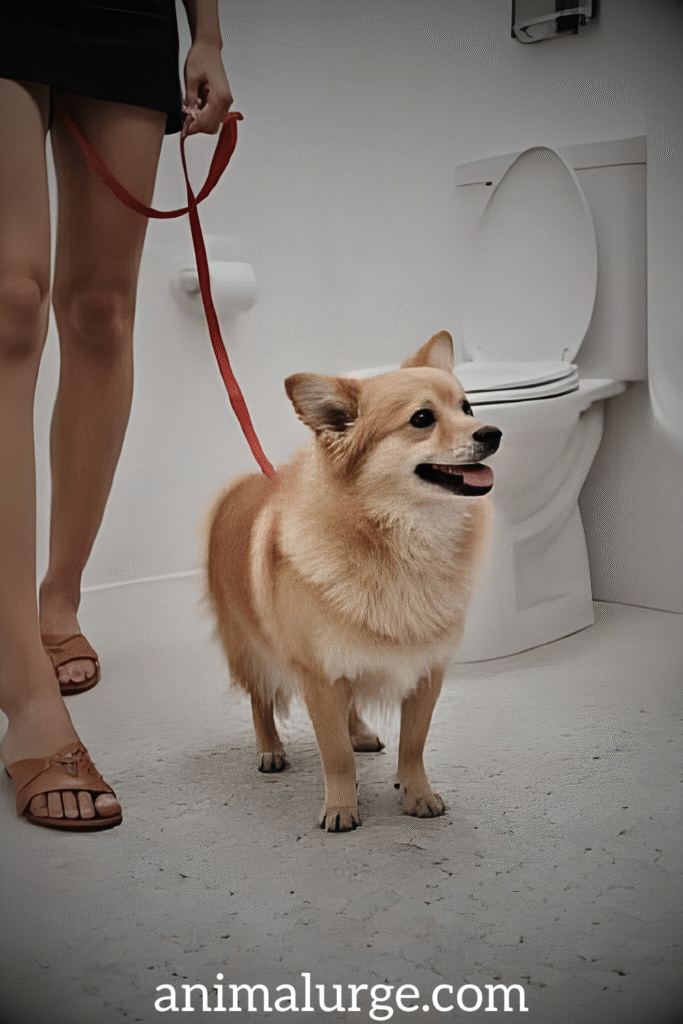
It’s sweet when your dog wants to be near you. But if they shadow you from room to room, wait outside the bathroom door whining, or become visibly distressed when you leave their sight, that’s not just affection—it’s insecurity.
This “Velcro dog” behavior happens when dogs feel uncertain about their connection to you. They’re trying to maximize every second of your presence because they’re not confident it will last. In their mind, letting you out of sight might mean losing you.
What to do: Practice gradual separation while you’re home. Start by moving to another room for just 30 seconds, then come back without making a fuss. Slowly increase the time until your dog learns that you always return. Leave them with a special treat or toy they only get during these moments—like a frozen Kong stuffed with peanut butter. This creates a positive association with being apart, and reassures them that alone time isn’t abandonment.
They Show “Whale Eye” When You’re Busy
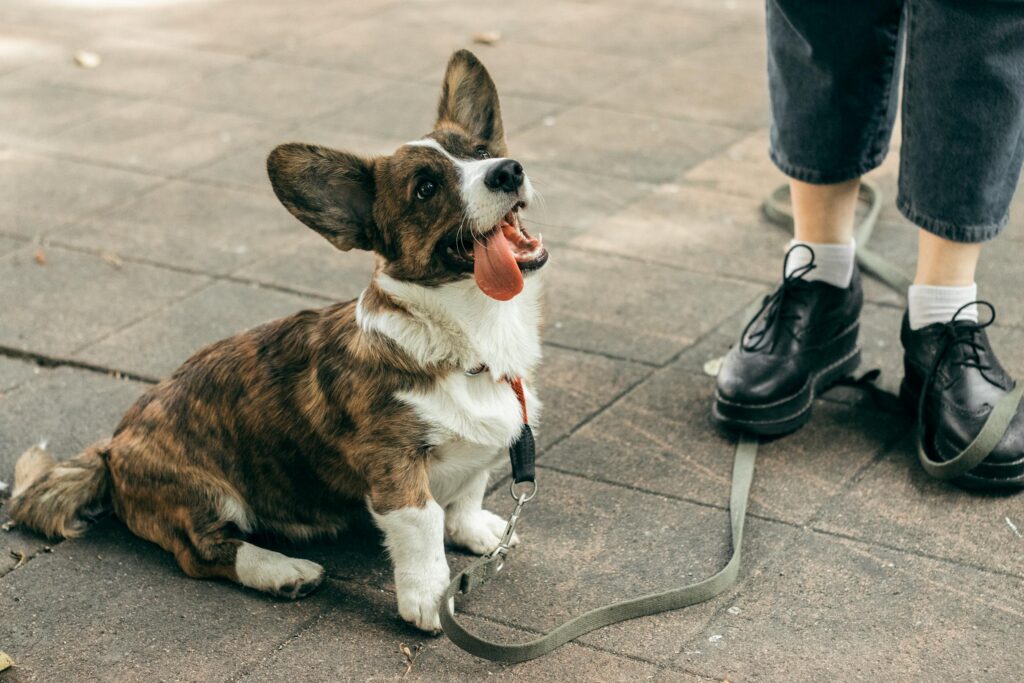
Ever catch your dog staring at you from the corner of their eye, with the whites showing? That’s called “whale eye,” and it’s one of the most misunderstood signs of stress in dogs.
When a dog turns their head away but keeps their eyes locked on you—exposing the white part—they’re feeling uncomfortable, anxious, or uncertain. It often happens when you’re focused on something else, like your laptop or phone, and they’re trying to read whether you’re still emotionally available to them.
It’s their way of saying, “I’m not sure where I stand right now, and it’s making me nervous.”
What to do: If you notice whale eye, your dog needs reassurance. Take a break from what you’re doing and offer some gentle physical touch—a calm pet or brushing session releases oxytocin in both of you, strengthening your bond and easing their stress. Even 5 to 10 minutes of focused attention can reset their emotional state and remind them they matter to you.
They’ve Started Destructive Habits You Never Saw Before
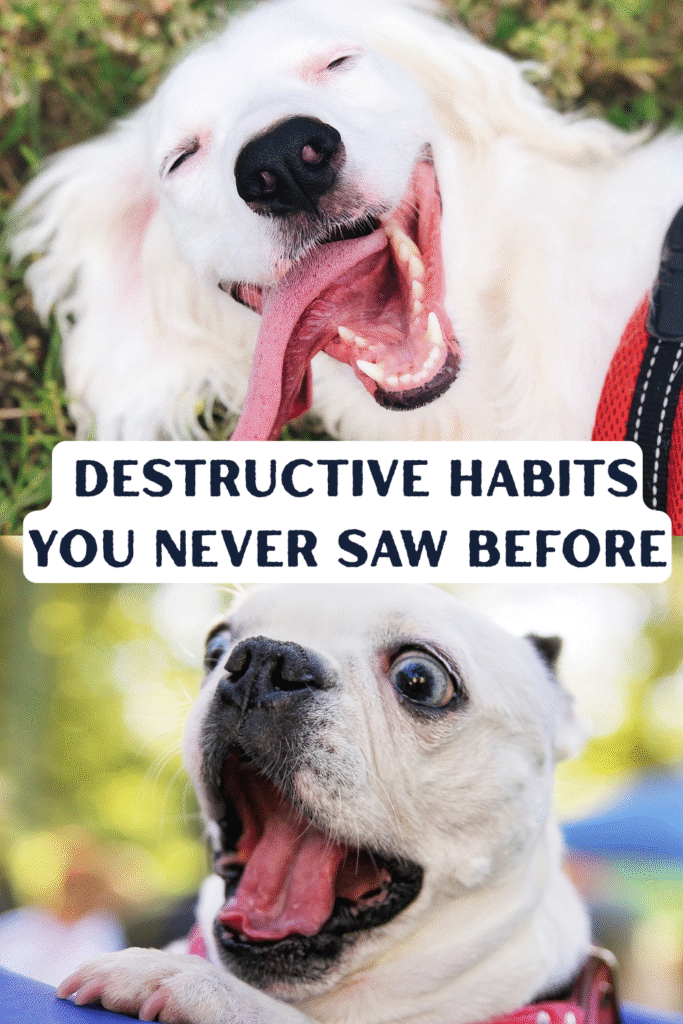
Chewed furniture. Shredded pillows. Scratching at doors. If your house-trained, well-behaved dog suddenly turns destructive, loneliness is often the hidden cause.
Dogs don’t destroy things to punish you. They do it because they’re anxious, bored, or desperately trying to cope with feeling isolated. Destructive behavior is especially common in dogs who lack mental stimulation or don’t get enough meaningful interaction throughout the day.
Objects that carry your scent—shoes, clothes, remote controls—become targets because they smell like you, and engaging with them provides temporary comfort.
What to do: Before you leave or get busy, tire your dog out with both physical and mental exercise. A 20-minute walk where they can sniff freely, followed by a puzzle toy or snuffle mat filled with treats, gives their brain and body something to do. Rotate toys so they always feel new and interesting. Boredom is the enemy—keep their environment enriched and their mind active.
They’ve Lost Interest in Things They Used to Love
Does your dog ignore their favorite toy? Turn away from the door when you grab the leash? Seem uninterested in treats or playtime? This withdrawal is one of the quietest—and saddest—signs of loneliness.
When dogs feel emotionally neglected, they can lose their spark. Activities that once brought them joy no longer seem worth the effort. It’s a lot like depression in humans—everything feels flat and meaningless when connection is missing.
What to do: Rekindle the bond through new, shared experiences. Try a different walking route. Visit a dog-friendly park or beach. Teach them a fun new trick using only positive reinforcement and treats. Sometimes all it takes is breaking the routine to reignite their enthusiasm. When they see that spending time with you is exciting again, their interest in life often returns.
They Yawn Excessively When You’re Around
You might think your dog is just tired, but frequent yawning—especially the long, exaggerated kind—is actually a stress signal.
Dogs yawn when they’re anxious, confused, or trying to calm themselves down. If your dog yawns a lot when you’re busy, distracted, or about to leave, they’re not sleepy. They’re telling you they feel uneasy about the emotional distance between you.
Stress yawns look different from sleepy yawns—they’re bigger, more intense, and often paired with other signs like lip licking or looking away.
What to do: When you notice stress yawning, slow down. Get on your dog’s level—literally, sit on the floor with them. Speak softly. Offer calm, gentle petting instead of energetic play. Your peaceful presence can help regulate their nervous system and remind them they’re safe with you.
They’re Restless and Can’t Settle Down

Pacing back and forth. Circling the same spot. Moving from one room to another without purpose. Restlessness is your dog’s body language for “I don’t know what to do with myself”.
When dogs don’t get enough mental or physical stimulation, or when they feel emotionally disconnected, they struggle to relax. They’re looking for something—anything—to fill the void, but nothing quite works.
What to do: Structure helps anxious dogs feel secure. Create a daily routine so your dog knows when to expect meals, walks, playtime, and quiet time. Predictability reduces stress. Build in activities that challenge their brain, like teaching them to find hidden treats around the house or practicing “stay” and “come” games. A tired, mentally engaged dog is a settled dog.
They’ve Stopped Eating Normally
If your once-enthusiastic eater suddenly leaves food in the bowl or only nibbles when you’re around, loneliness might be stealing their appetite.
Stress and sadness affect dogs’ stomachs just like they affect ours. When dogs feel isolated or anxious, eating becomes less appealing. Some will only eat when their owner is present, because they need that emotional reassurance to feel safe enough to let their guard down.
What to do: Make mealtimes social and engaging. Sit near your dog while they eat. Use a puzzle feeder or scatter their kibble in the yard so they have to “hunt” for it—it taps into their natural instincts and makes eating feel like an adventure instead of a chore. If the problem continues, check with your vet to rule out medical issues.
They’re Showing Repetitive Behaviors
Tail chasing. Shadow chasing. Excessive licking of paws or furniture. Staring into space. Pacing the same path over and over. These repetitive behaviors often signal emotional distress.
Research shows that dogs who lack proper socialization, mental stimulation, or emotional connection are far more likely to develop these compulsive patterns. It’s their way of self-soothing when they don’t have healthier outlets for stress and boredom.
Young dogs under two and senior dogs over eight are especially prone to repetitive behaviors, often linked to insufficient engagement or cognitive changes.
What to do: Interrupt the pattern gently by redirecting to a positive activity—never punish them for it. Increase daily enrichment through scent games, interactive play, and new experiences that stimulate their senses. If the behavior persists or worsens, consult a certified dog behaviorist or your vet. Early intervention can prevent these behaviors from becoming permanent habits.
They Avoid Eye Contact With You
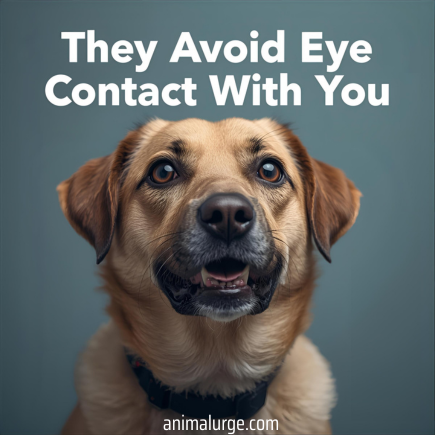
When your dog consistently looks away, turns their head, or refuses to meet your gaze, don’t take it personally—they’re sending you a message.
In dog language, avoiding eye contact can mean several things. Sometimes it’s a calming signal that says “I’m not a threat”. But when paired with other signs of loneliness—like withdrawal, lethargy, or stress yawning—it often means your dog feels uncomfortable or unsure about your connection.
They might be trying to tell you they need space, or they could be communicating that something in the environment is making them anxious.
What to do: Don’t force eye contact. Instead, spend time simply being near your dog without demands—sit beside them, read a book, or watch TV while gently petting them. Let them initiate closeness. Over time, as trust rebuilds and they feel emotionally safer, natural eye contact will return. And when it does, it strengthens your bond even more—because mutual gazing between dogs and humans releases oxytocin, the love hormone, in both of you.
Bringing Back the Light
Loneliness in dogs is real, and it’s heartbreaking. But the beautiful thing is, it’s also fixable.
Your dog doesn’t need grand gestures or expensive toys. What they need is you—the real, present, emotionally available you. Ten minutes of focused play. A walk where you let them sniff every tree. A puzzle that challenges their clever mind. A calm cuddle session where you’re not looking at your phone.
These small moments add up. They tell your dog, “You matter. You’re seen. You’re loved.”
The more you learn to listen to their quiet signals, the more your dog will trust you. And that’s where healing begins—not in the big moments, but in the hundreds of small ones where you choose to see them, connect with them, and remind them they’re never truly alone.
Read More: What Your Dog’s Stare Really Means (It’s Not Always Affection)
Read More: 10 ‘Silent’ Signs Your Dog Is in Pain (But Is Trying to Hide It From You)

[…] often see this combined with other stress signals like a tucked tail, pulled-back ears, or yawning. One paw lift is just the beginning. If it’s […]