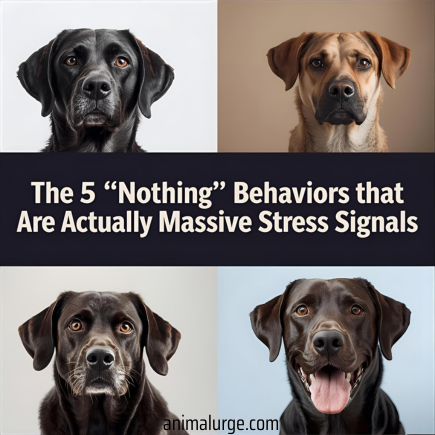
Your dog lifts one paw, almost like they’re politely asking a question. You notice them yawning during training. They sniff the ground intensely when a new dog approaches. You see them turn their head away when you lean in to pet them.
“It’s nothing,” you think. Just a quirky gesture. Just them being sleepy. Just them investigating the grass.
But here’s what most people don’t know: these tiny, ordinary-looking behaviors are actually your dog’s way of whispering to you. Your dog is using what behaviorists call calming signals—quiet, subtle forms of communication that say, “I’m not sure about this. I need help.” These aren’t signs of misbehavior or stubbornness. They’re signs of stress.
The problem is, these signals are so quiet, we almost always miss them. And when we miss them, our dogs have to resort to louder language—growling, snapping, or reactive barking. But if you learn to listen early, you can stop the problem before it escalates.
Think of calming signals like whispers. Your dog is being polite, trying to tell you something important without making a scene. The question is: will you hear them?
The Science Behind “Nothing” Behaviors
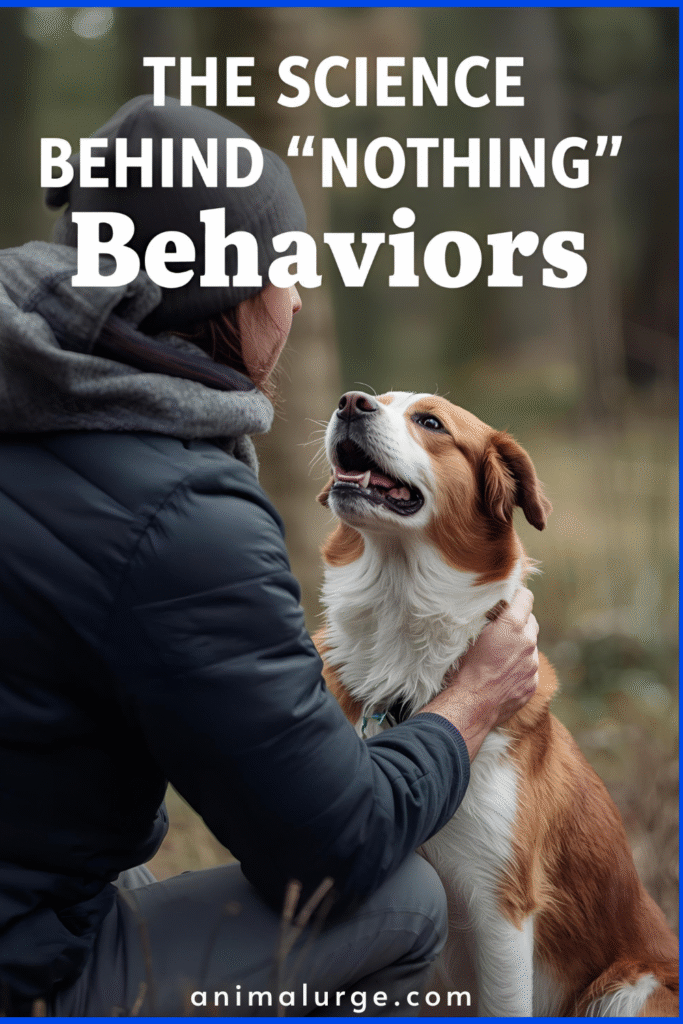
Dogs don’t yawn just because they’re tired. They don’t sniff the ground because they’re randomly distracted. They don’t lift a paw out of nowhere.
Research from dog behaviorists shows that these “nothing” behaviors are actually self-soothing mechanisms. When dogs feel conflicted, anxious, or uncomfortable, their bodies activate a stress response. To cope, they perform these calming signals—small, almost invisible actions that help them manage their emotions and diffuse tension.
Here’s what’s really happening: your dog’s nervous system is activated, and they’re doing what feels natural to them. They’re trying to calm themselves down, and they’re also sending you a message at the same time.
The earlier you catch these whispers, the safer everyone is. When dogs feel truly heard at the quiet stage, they don’t need to escalate to the loud stage.
1. The Stress Yawn (When Your Dog Isn’t Sleepy)
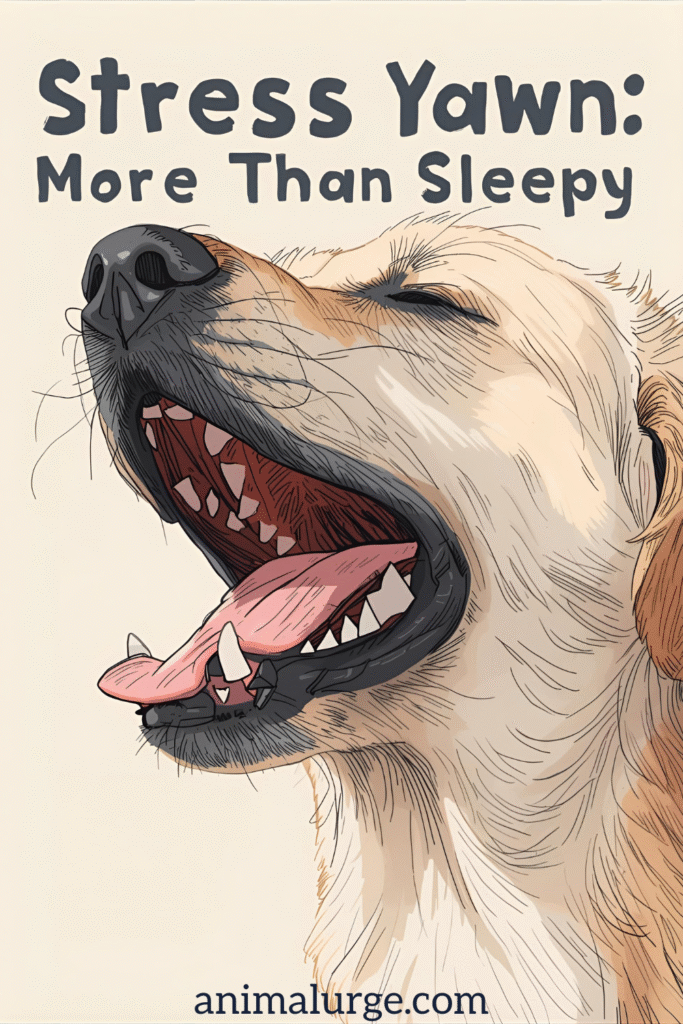
You’re training your dog. They sit, they come, everything is going well. Then suddenly—they yawn. A big, exaggerated yawn. But you know they’ve been up all day and they’re not tired.
This is a stress yawn, and it’s one of the most common signals owners miss.
A stress yawn is different from a sleepy yawn. It’s longer, more intense, and often happens at completely random moments—right in the middle of playtime or during an unfamiliar interaction. Dogs often yawn when they’re confused, overwhelmed, or uncomfortable with something happening around them.
This signal becomes even clearer when combined with other behaviors. If your dog yawns AND turns away AND sniffs the ground, they’re essentially saying, “This is too much. I need a break.”
What to do: When you see stress yawning, step back. Lower your voice. Give your dog space. If you’re in a training session, take a break for a few minutes. Let them have a drink of water and reset. If your dog is being approached by another person or dog, politely excuse yourself and create distance. You’re honoring their request by listening to their whisper.
2. The Lip Lick Out of Nowhere
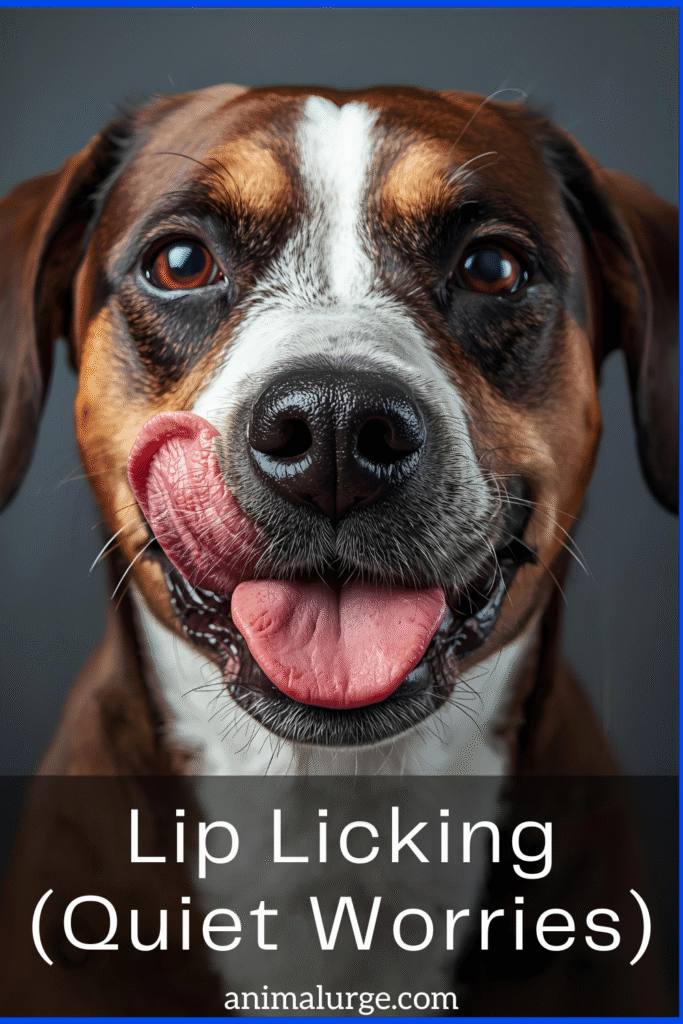
Your dog isn’t eating. They’re not anticipating food. But suddenly, they’re licking their lips—quick, repeated licks, sometimes just the tip of the tongue barely visible.
This is a classic calming signal, and it often appears when dogs are uncertain or stressed about a social interaction.
Lip licking happens when a dog is trying to soothe themselves. It releases calming chemicals in their brain. Dogs often do this when they’re being groomed, when someone is leaning over them, during a vet visit, or when meeting someone new. It can also happen if you’re using a tone of voice they find intimidating or if the environment feels overwhelming.
The key is to watch the context. If your dog is licking their lips while their body language says “I’m uncomfortable,” then it’s a stress signal. If they’re doing it constantly throughout an interaction, it means the stress is ongoing.
What to do: Respect the signal by changing something in the environment. If you’re petting them and they start lip licking, stop petting and sit quietly beside them instead. If someone is approaching your dog and they lip-lick, gently ask that person to back away. If it’s happening during training, switch to an easier task or take a break. The goal is to tell your dog: “I heard you. I’m making this safer.”
3. The Single Paw Lift (The Polite “Excuse Me”)
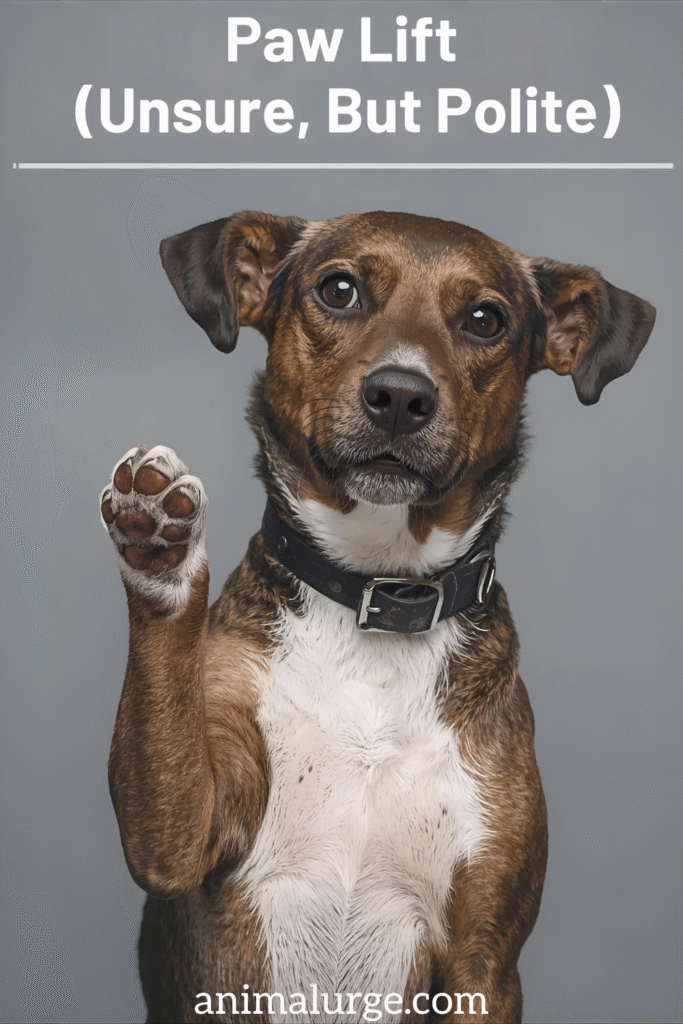
You’re having a conversation with a friend. Your dog stands beside you and suddenly lifts one front paw, like they’re shaking hands.
This tiny gesture is called a paw lift, and it’s a signal that your dog is feeling conflicted or stressed.
Paw lifting happens when dogs are experiencing mixed emotions—they might want to approach something but also feel uncertain about it, or they’re feeling pressure from a social situation and don’t know what to do. It often appears when dogs are unsure about whether to greet someone, when they’re hearing a startling loud noise, or when they’re being asked to do something that makes them uncomfortable.
You’ll often see this combined with other stress signals like a tucked tail, pulled-back ears, or yawning. One paw lift is just the beginning. If it’s ignored and the stressful situation continues, you’ll see more obvious signals.
What to do: Watch what triggered the paw lift. Was it a stranger approaching? A loud noise? Someone bending over your dog? Once you identify the trigger, create distance or change the situation. Let your dog step back. You’re teaching them that when they use their quiet signal, their human will help. This builds trust and confidence over time.
4. The Sudden Ground Sniffing (The Distraction Escape)
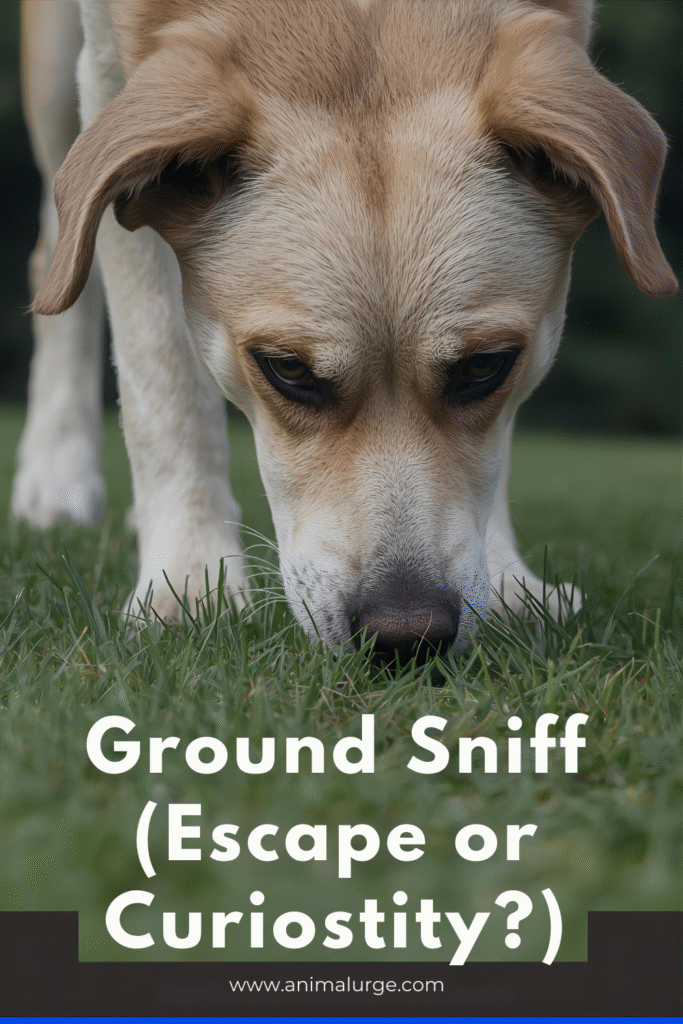
You’re walking your dog, and another dog approaches from ahead. Your dog, who was walking happily beside you, suddenly becomes fascinated with the ground. They’re sniffing intently, almost like they’ve discovered treasure.
This is a displacement behavior—your dog is using sniffing as a stress-management tool.
Ground sniffing is actually a brilliant coping mechanism. By focusing on scents, your dog is literally giving their brain something else to think about—they’re stalling, trying to manage their anxiety about the approaching dog without being rude or aggressive. It’s the dog equivalent of pretending to text when you’re uncomfortable at a party.
The signal becomes clear when you understand the context. If your dog is happy and relaxed, ground sniffing is normal investigation. But if your dog suddenly starts sniffing intensely right when something stressful happens—that’s them trying to self-soothe.
Dogs also use sniffing as a calming signal between each other. Two dogs approaching each other too tense can both start sniffing the ground—it’s their way of negotiating, “Let’s calm down and approach this more gently”.
What to do: When your dog starts displacement sniffing, don’t interrupt them immediately. Actually, let them sniff for a moment. Sniffing naturally calms dogs. But also create space from whatever triggered the stress. If it’s another dog, slow down or cross the street. If it’s a person approaching, politely step away. And afterwards, reward your dog for using their calming signal. Say “Good sniffing!” and offer a treat. You’re reinforcing that they found a healthy way to cope.
5. The Head Turn or Whole-Body Turn-Away
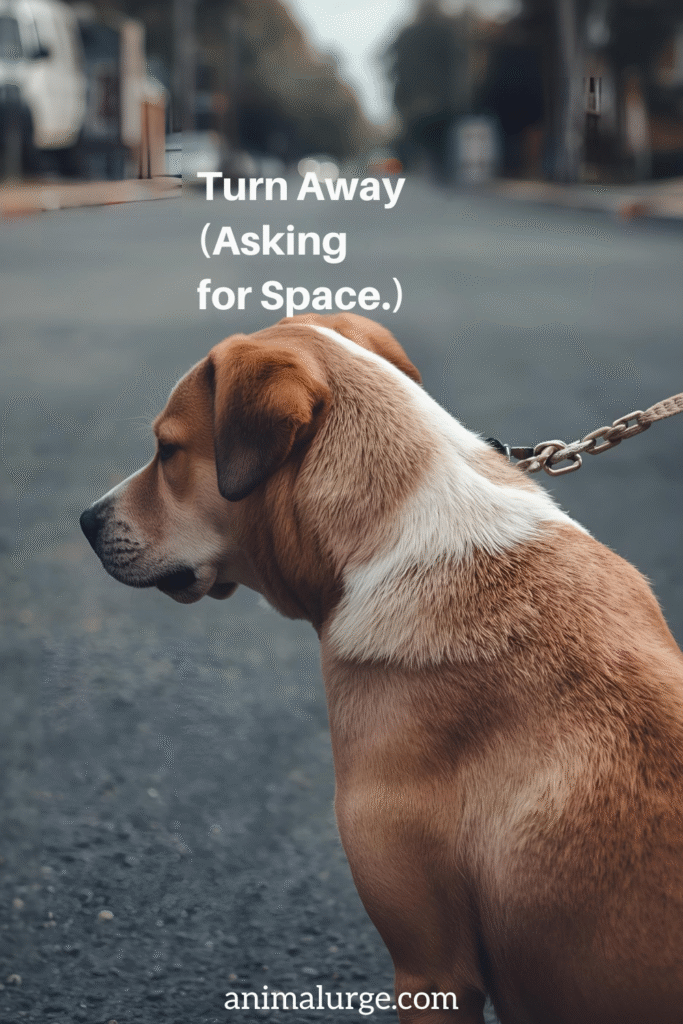
Someone is petting your dog, and they turn their head away. You’re trying to take a photo, and your dog turns to face the other direction. A new person bends over to greet your dog, and your dog turns their whole body away.
This is the head turn—one of the most important calming signals, and one we interpret completely wrong.
We often think a dog turning away is rude or uninterested. But actually, it’s the opposite. It’s your dog being incredibly polite. They’re saying, “I’m not comfortable with this, but I don’t want conflict, so I’m going to turn away”.
Head turns happen when dogs feel uncomfortable about direct eye contact, when someone is looming over them, when training becomes too hard or frustrating, or when they want an interaction to end. It’s the dog’s polite way of asking for space without being aggressive.
In interactions between two dogs, a head turn means one dog is saying to the other, “You’re approaching too fast. Let’s be more gentle”. When a dog turns away from their owner, it’s often because the owner’s energy, voice tone, or body language feels threatening or overwhelming.
What to do: When your dog turns away, honor the boundary. Stop doing what you were doing. If you’re petting them and they turn away, just sit quietly nearby instead of touching. If someone wants to greet your dog and they turn away, let them opt out. Never force a dog to interact when they’re signaling discomfort. Teach people in your life that a head turn means “please give space,” just like you would respect a human saying “I’m not in the mood”.
Why Missing These Signals Can Escalate Into Big Problems
Here’s the thing about calming signals: they exist on a ladder of communication.
At the bottom of the ladder are the whispers—yawning, lip licking, head turns, sniffing. If you listen and help at this stage, your dog feels safe and the situation de-escalates.
But if you don’t hear these whispers, your dog has to climb the ladder. Next comes the raised paw, the frozen body, the whale eye (whites of eyes showing). They’re still trying to communicate politely, but now they’re using a bigger voice.
If that doesn’t work, they climb higher: stiff body posture, ears back, a nervous pace. Then comes a growl. Then a snap. Then a bite.
Your dog doesn’t want to growl or snap. They’ve been trying to tell you with whispers. They’re only shouting when whispering didn’t work.
The tragic part is, many people punish a dog for the growl—the one honest warning they gave. But that growl was the last chance to listen to a whisper that started days or weeks before.
What Does a Dog Feel When They Show These Signals?
Your dog isn’t being dramatic. They’re not trying to manipulate you. They’re genuinely experiencing stress—a physical and emotional response to something they don’t understand or feel uncomfortable about.
When a dog shows these signals, they might feel:
Uncertain or conflicted. They’re not sure what’s happening or what you want from them. Anxious or afraid. Something in the environment makes them uncomfortable—maybe an unfamiliar person, a loud noise, or an overwhelming situation. Overstimulated. Too much is happening at once and they need to regulate their nervous system. Pressured. They’re being asked to do something they’re not ready for, or someone is invading their space.
The beauty of calming signals is that they show your dog is trying to cope. They haven’t given up communicating. They’re still reaching out. They’re still giving you a chance to help.
The Most Powerful Thing You Can Do: Respond With Calm Confidence
When you see a stress signal, your response matters more than you think.
If you panic, get angry, or force your dog to “deal with it,” you confirm their fear. You’re saying, “You were right to be worried. This IS scary.”
But if you calmly remove the trigger, speak in a soft voice, and let your dog step back—you’re saying something completely different. You’re saying, “I hear you. You’re safe. I’ve got this.”
This is the foundation of a truly trusting relationship. Your dog learns that when they use their words (their calming signals), you listen. That knowledge changes everything.
The practical steps are simple:
Pause and observe. When you see a stress signal, don’t react immediately. Take a second to notice what triggered it.
Remove or reduce the trigger. Create distance from whatever made your dog uncomfortable. Step away from the other dog, ask the person to back up, or take a break from training.
Speak softly and move slowly. Your calm voice and gentle body language directly calm your dog’s nervous system.
Reward the behavior. After your dog settles, offer a treat or gentle praise. You’re teaching them that using their calming signals gets them what they need.
Avoid punishment. Never scold a dog for showing stress signals. It only teaches them to hide their discomfort until it erupts.
The Deeper Truth: Your Dog Trusts You Enough to Tell
When your dog yawns, lifts a paw, sniffs the ground, licks their lips, or turns away, they’re doing something vulnerable. They’re telling you their truth, even if it’s just a whisper.
Many dogs stop communicating. They shut down. They don’t bother with signals anymore. But your dog is still talking to you.
That’s not a small thing.
The more you learn to recognize these nothing behaviors for what they really are—honest communication about stress—the more your dog will trust you. Because you’ve proven that you listen. You’ve shown that their feelings matter to you.
And that trust? That’s the strongest foundation any relationship can be built on.
The signals are always there. The question is whether we’re paying attention.