Dogs don’t just need exercise for their bodies — their minds crave it too. A mentally engaged dog is calmer, happier, and far less likely to chew, bark, dig, or pace out of boredom. And the best part? You don’t need expensive toys or advanced training skills to give your dog the mental workout they deserve.
Below are 33 simple, science-backed ways to enrich your dog’s daily life. Here are the first 10, written with heart, clarity, and practical insight.
What Mental Stimulation Actually Does for Your Dog
Before you start the activities, it helps to understand why this works so well.
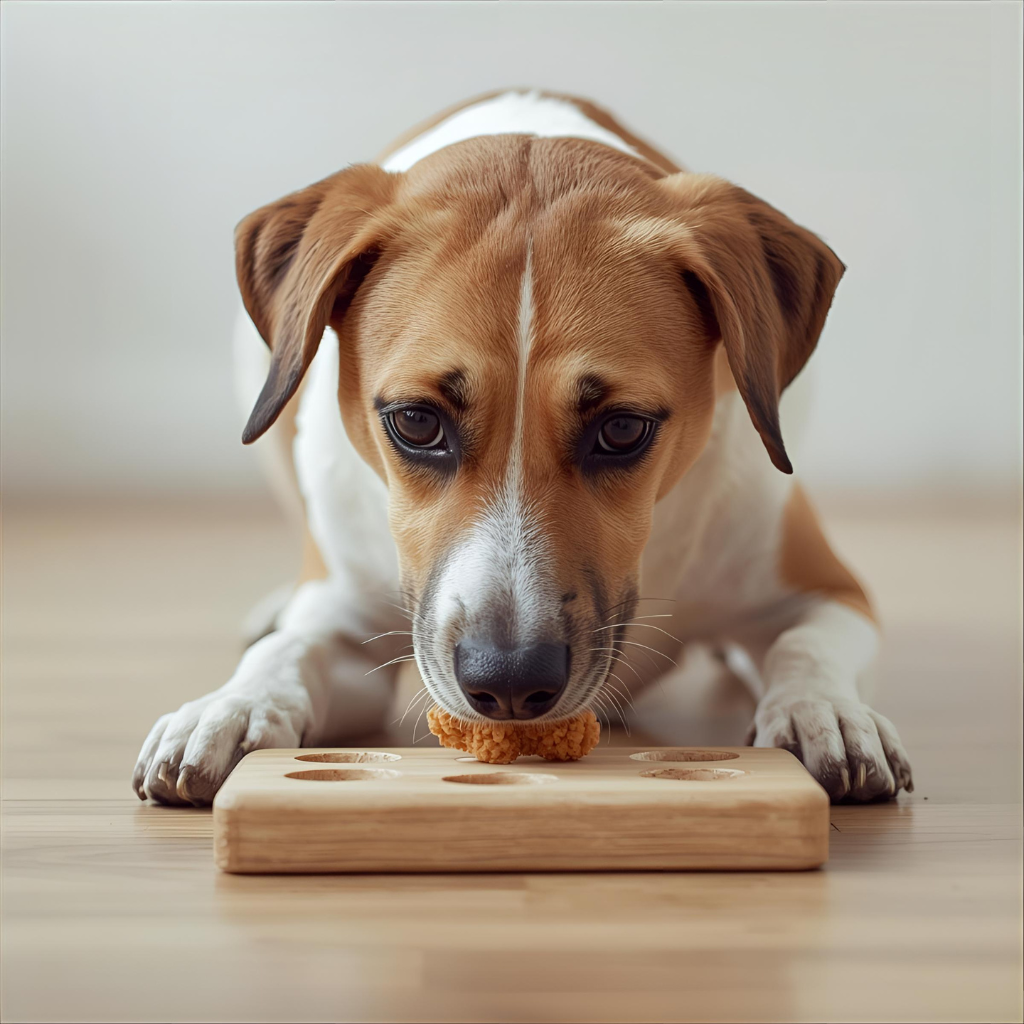
Mental challenges trigger your dog’s natural problem-solving instincts. Each time they figure something out — whether it’s opening a box or finding a hidden treat — their brain releases dopamine, the feel-good chemical that makes learning rewarding. Over time, these small victories build confidence, reduce stress, and create a deeper bond between you and your dog.
A dog with an active mind is easier to train, less destructive, and noticeably more settled indoors.
Home Games That Use Instincts and Everyday Items (1–10)
1. The Muffin Pan Puzzle
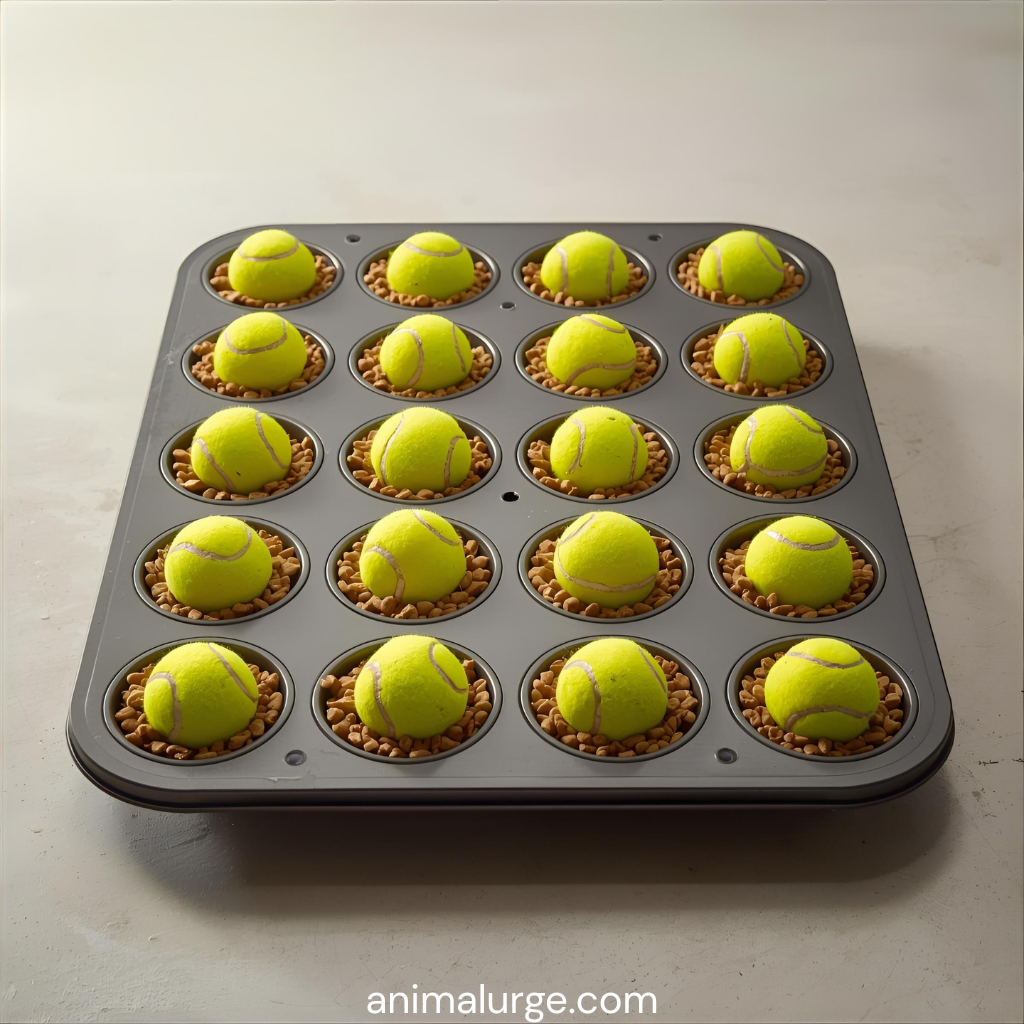
This quick DIY puzzle is a great starter enrichment game.
Place treats or kibble into the cups of a muffin tin, then cover each opening with a tennis ball. Your dog must nudge or lift the balls to reveal the food underneath.
Why it works:
It taps into your dog’s natural curiosity and encourages gentle problem-solving — all within a safe, controlled setup.
Pro tip:
For small dogs, use an egg carton instead. The scaled-down size makes it easier and less intimidating.
2. Hide and Seek (the Classic that Never Fails)

Ask someone to hold your dog while you hide in a nearby room. Call out once and let them search for you. When they find you, celebrate like they found buried treasure.
Why it works:
Dogs love this game because it mimics their instinct to track and locate. It naturally strengthens recall and deepens your bond.
Make it harder:
Hide behind doors, curtains, or in a different room. Let them “hunt” a little.
3. The Treat Burrito (Towel Game)
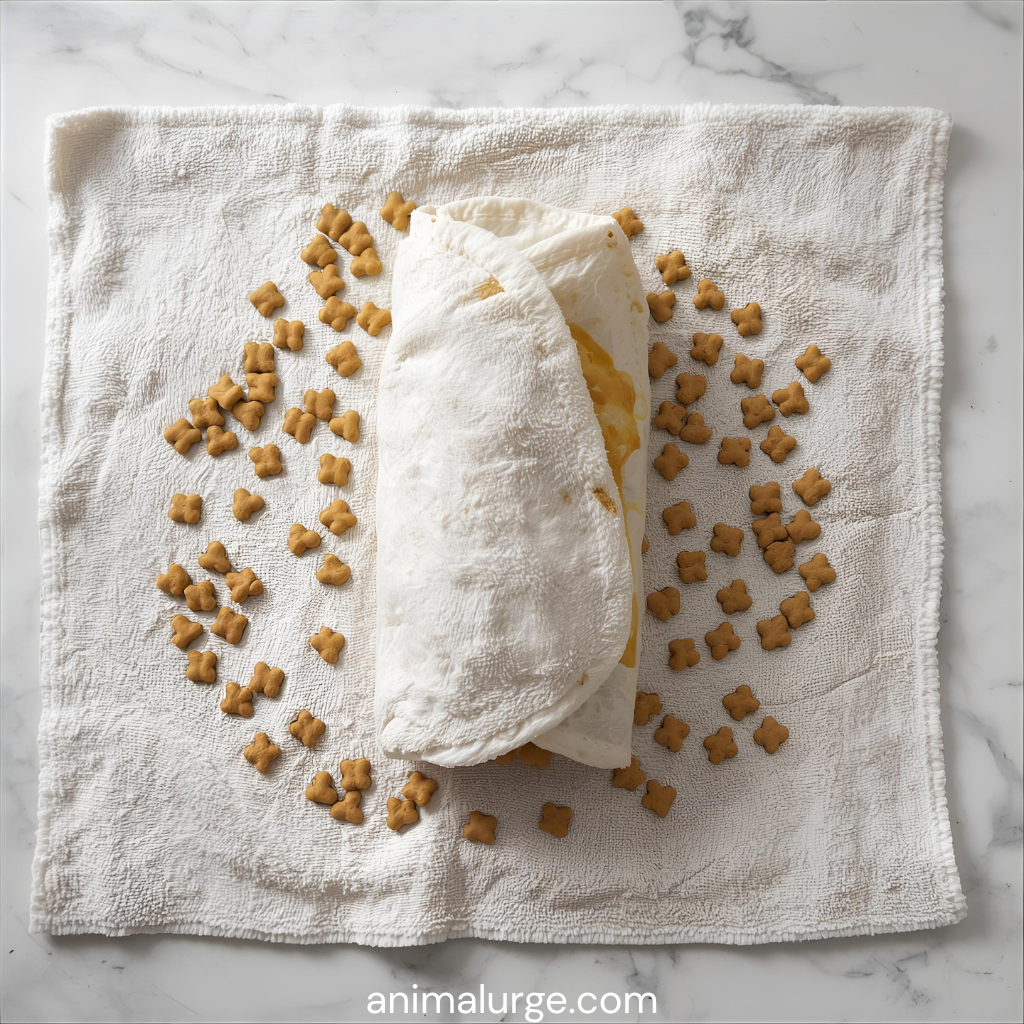
Lay out an old towel, sprinkle treats inside, and roll it up. Your dog must unroll the towel and sniff out every bite.
Why it works:
This game mimics foraging — one of the most satisfying natural behaviors for dogs.
Increase difficulty:
Roll tighter or hide the towel under a cushion.
4. Cardboard Box Treasure Hunt
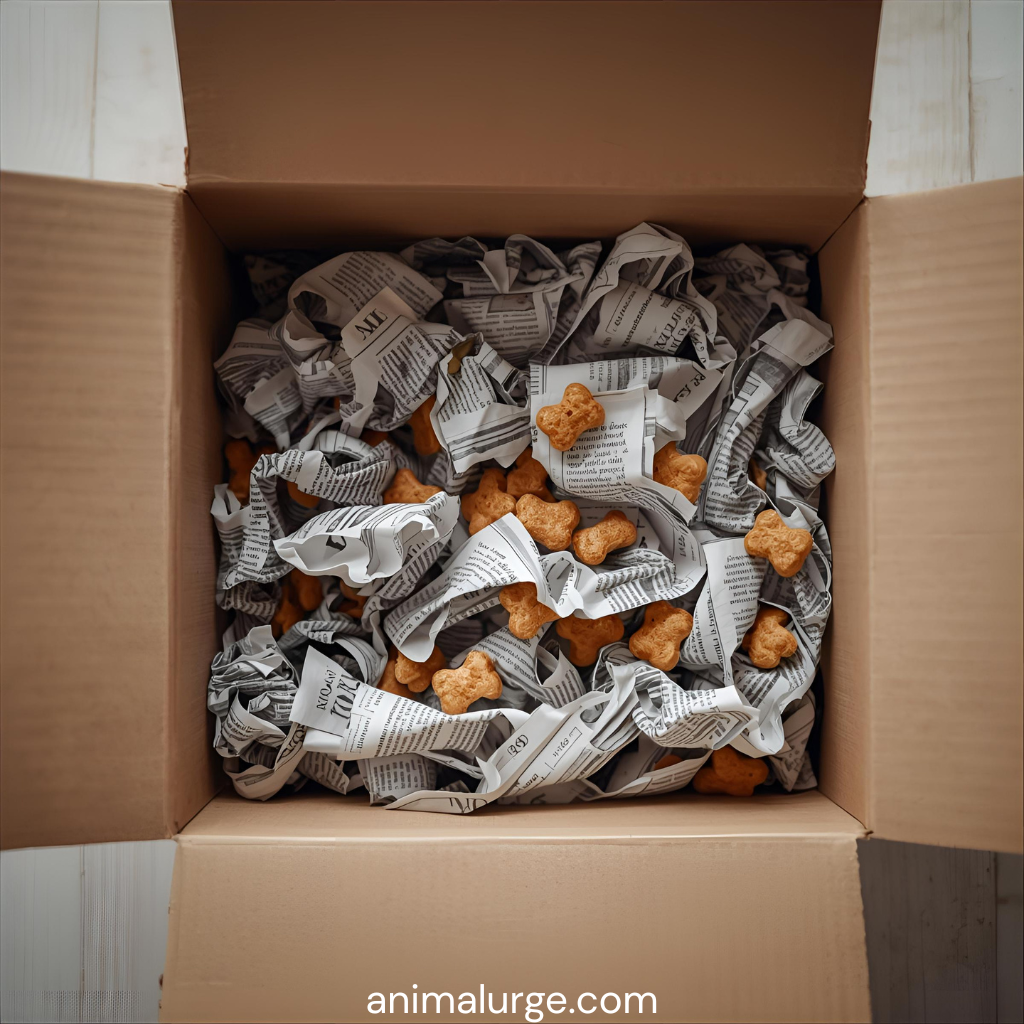
Take an empty cardboard box, remove any staples, and stuff it with crumpled newspaper or paper towels. Hide treats inside the layers.
Why it works:
Dogs get to shred, dig, and forage safely — all activities that release tension and boost confidence.
Advanced mode:
Place a smaller box inside the big one. Let them figure out the multi-layer puzzle.
5. “Find It” – Beginner Scent Work
Start simple: Show your dog a treat, place it on the floor, and say, “Find it.”
When they understand the cue, hide treats under cushions or behind furniture.
Why it works:
A dog’s nose is their superpower. Scent work calms nervous dogs, channels energy productively, and builds focus.
Good for:
Reactive, anxious, and high-energy dogs.
6. The Frozen Kong Masterpiece
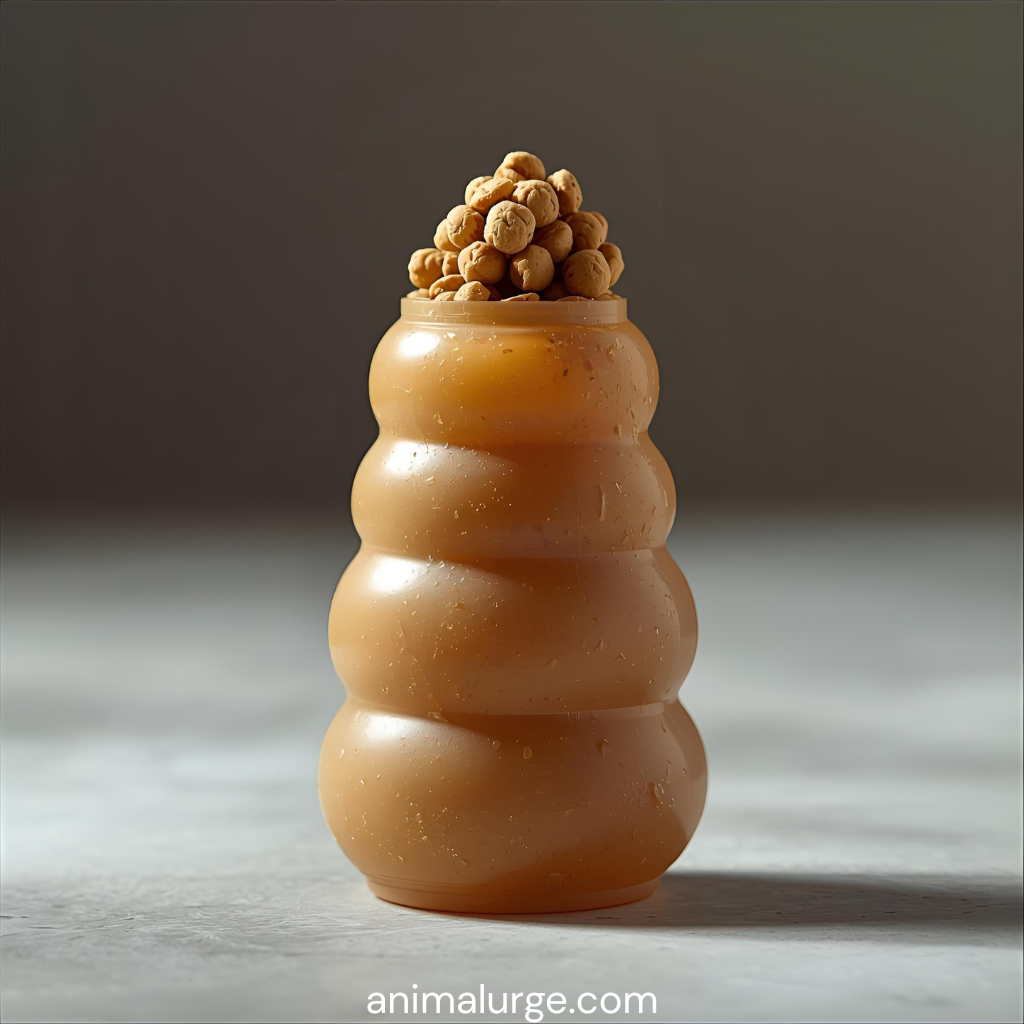
Stuff a Kong with peanut butter (xylitol-free), wet food, kibble, or layered treats. Freeze it for a tougher challenge.
Why it works:
Frozen enrichment slows your dog down, keeps them working for 20–30 minutes, and satisfies their licking instinct — which has a natural calming effect.
Use it when:
You’re cooking, working, or need quiet time.
7. Window Watching (Yes — It Actually Helps)

Set up a safe, comfortable place for your dog near a window where they can observe the world.
Why it works:
People walking by, birds, cars, and smells blowing through cracks all provide visual and mental stimulation. Window time is not “doing nothing” — it’s quiet enrichment.
Especially helpful for:
Dogs with separation anxiety, mild boredom, or low-level stress.
8. DIY Snuffle Mat
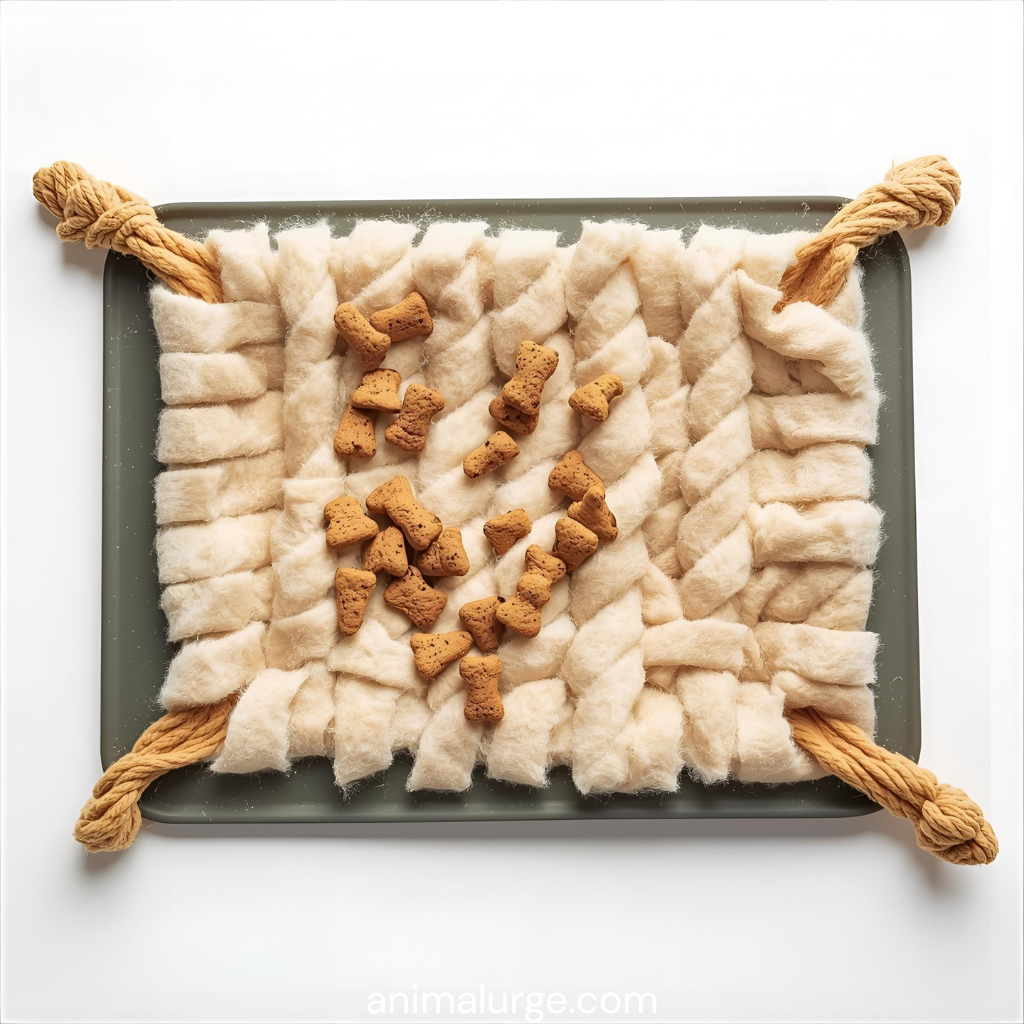
Instead of buying an expensive one, make your own using a rubber sink mat and strips of fleece. Knot the fleece through the holes and fluff it up. Sprinkle treats inside.
Why it works:
It activates deep-rooted foraging instincts and slows down fast eaters. Dogs with anxiety find snuffling especially soothing.
Budget tip:
This costs under ₹700 to make and lasts months.
9. Toilet Paper Tube Puzzle
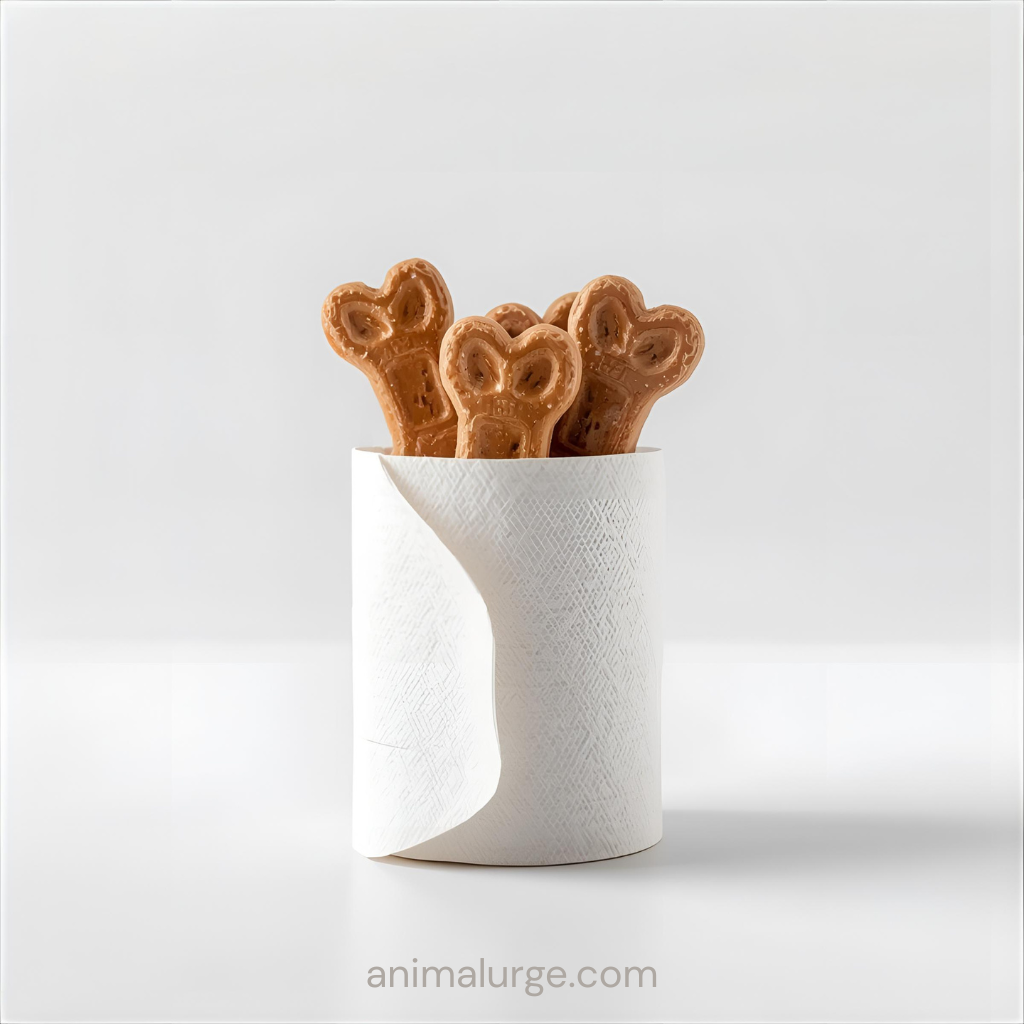
Take an empty toilet-roll or paper towel tube, place treats inside, and fold the ends shut. Let your dog figure out how to open it.
Why it works:
It’s destruction-friendly problem solving. Dogs love to shred, and this channels that instinct safely.
Level up:
Crumple paper inside first… or freeze the whole tube.
10. The Blanket Toss
Gently toss a blanket over your dog and let them figure out how to wiggle free.
Why it works:
This builds body awareness, confidence, and playful problem-solving — especially great for shy or nervous dogs.
Watch for comfort:
If your dog freezes or looks stressed, remove the blanket and try a lighter version.
Training Games That Build Real Brain Power (11–20)
These activities strengthen your dog’s focus, memory, and confidence. Training isn’t just about teaching commands — it’s a form of communication that deepens trust and gives your dog a sense of purpose.
11. Teach a New Trick Every Week
Choose one simple behavior — “spin,” “touch,” “play bow,” or “shake” — and practice it daily for 5–10 minutes.
Why it works:
Learning new movement patterns builds fresh neural pathways in your dog’s brain. This is mental exercise in its purest form. Dogs who learn regularly become more focused, adaptable, and confident in everyday life.
Tip:
Keep sessions short and upbeat. Stop before they get tired so learning stays fun.
12. Memory Games (The Sequence Challenge)
Teach your dog a short sequence of behaviors — for example:
Sit → Down → Spin
Then ask them to perform all three in order.
Why it works:
Your dog must remember the pattern and execute each step correctly. This is a true working-memory challenge, similar to kids learning short sequences in school.
How to progress:
Start with two steps. Add a new behavior only when the first sequence is solid.
13. Name Recognition Games
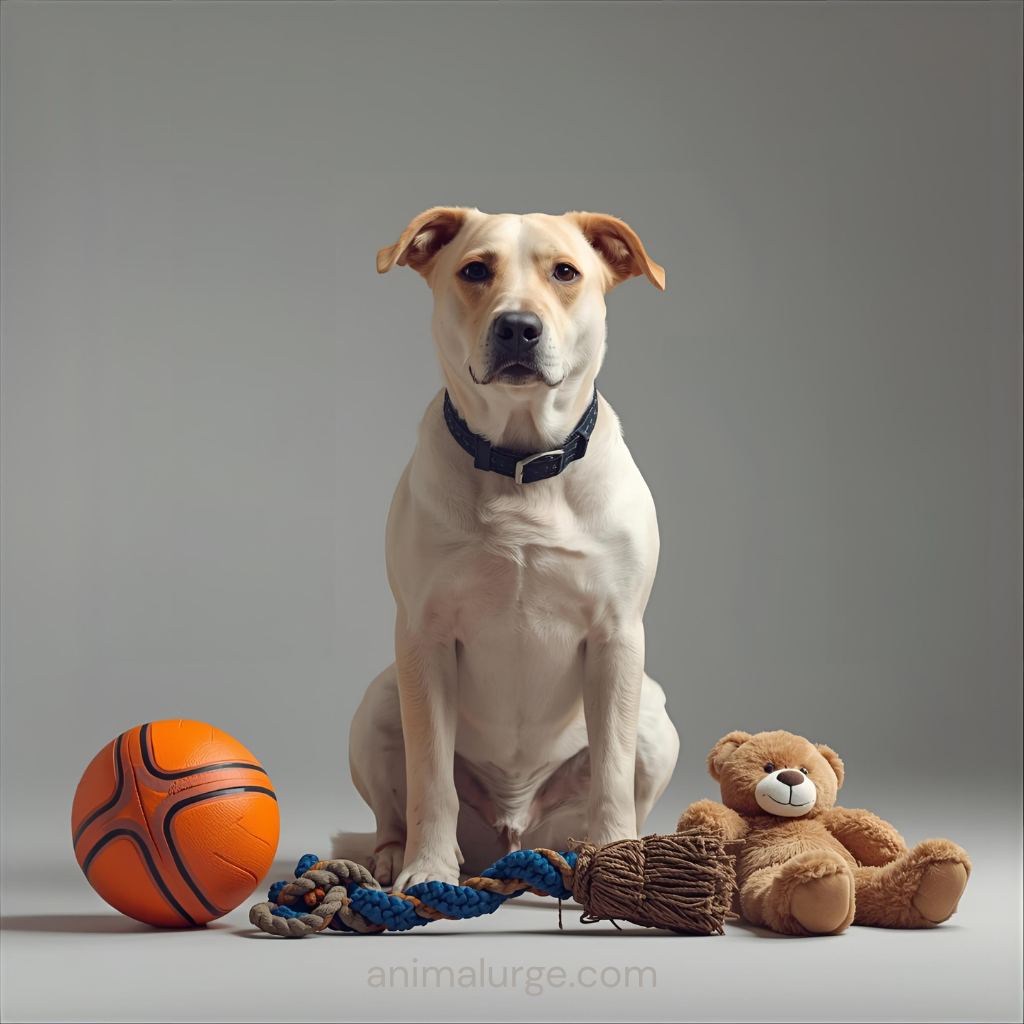
Pick one toy and give it a clear name — “Ball,” “Bear,” or “Rope.” Show it, say the name, and reward when your dog picks it up. Once they master one, introduce a second toy with a new name.
Why it works:
Many dogs can learn the names of 10+ toys. This builds vocabulary awareness, memory skills, and sharpens listening.
Fun twist:
Ask: “Where’s your ball?” and let them search the room for it.
14. The Clicker Game
Use a clicker to mark the exact moment your dog does something right, followed immediately by a treat.
Why it works:
Clicker training is backed by behavioral science — it helps dogs learn cleaner, faster, and with greater confidence. They begin to experiment and think actively (“What else gets the click?”).
Result:
A smarter dog who enjoys learning.
15. “Watch Me” — The Focus Builder
Hold a treat close to your face and say “Watch me.” Reward the moment your dog makes eye contact.
Why it works:
Eye contact strengthens communication and teaches your dog to tune into you, even with distractions. Just a couple of minutes per day improves obedience and calmness.
Great for:
Dogs who struggle during walks, around guests, or in busy environments.
16. Tug of War — with Rules
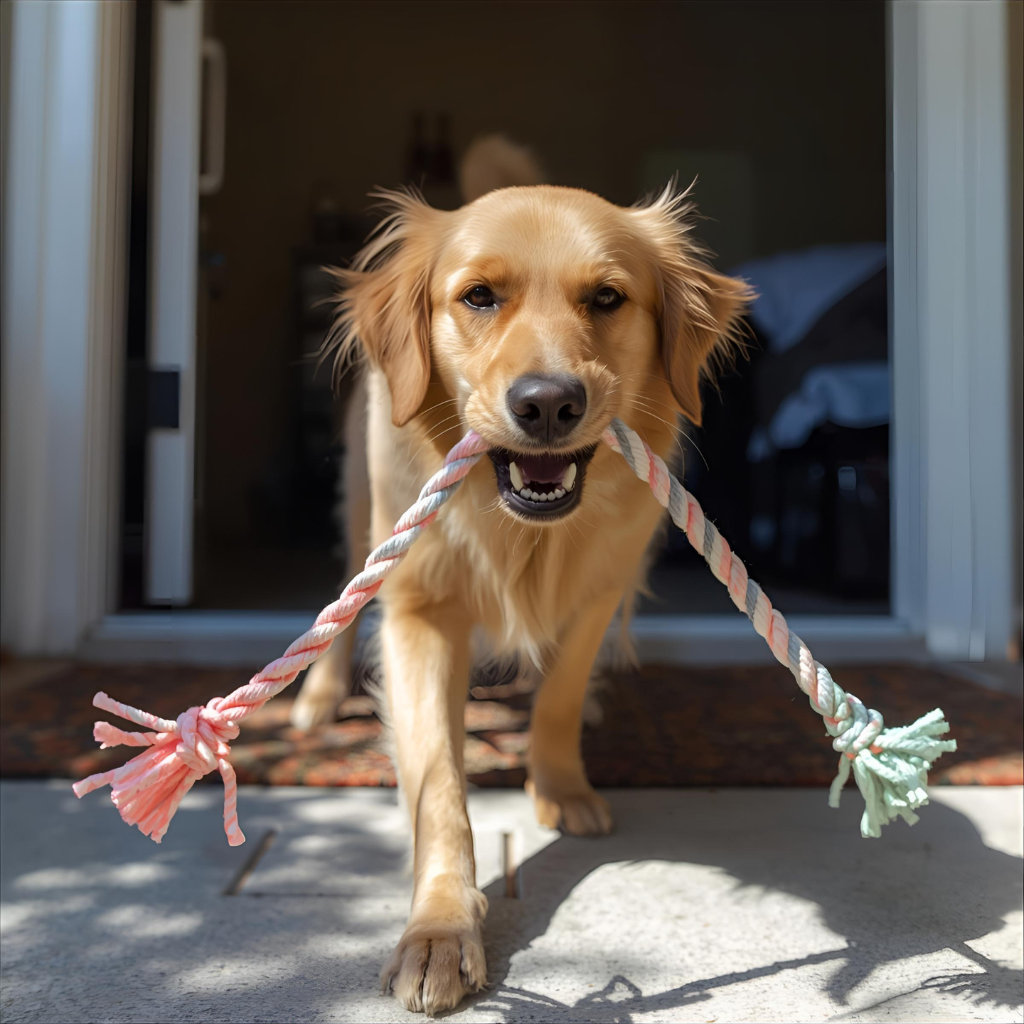
Play tug using a rope or tug toy, but teach a “Drop” or “Leave it” command quickly. When your dog releases the toy, reward them and continue the game.
Why it works:
Contrary to old myths, tug-of-war does not create aggression when played correctly. Instead, it builds impulse control, strategy, confidence, and bonding.
Rule of thumb:
You always control when the game starts and stops.
17. Trick Sequences and Combinations
Once your dog knows single tricks, link them together —
Sit → Down → Roll Over → Play Dead
Why it works:
Your dog must think ahead, remember the sequence, and stay focused throughout. This elevates training from repetition to genuine problem-solving.
The benefit:
Tasks like these create deep mental engagement — similar to solving a small puzzle.
18. Beginner Scent Work (AKC-Style)
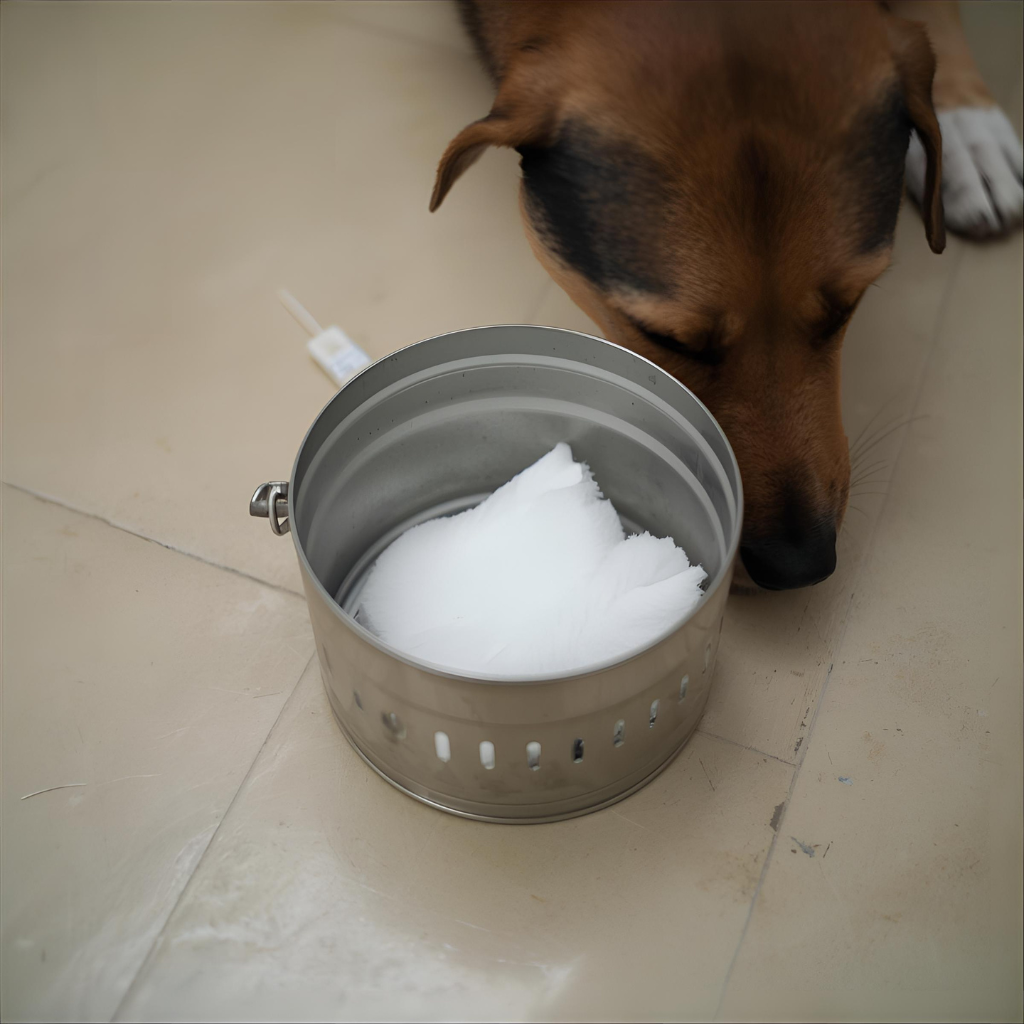
Place a Q-tip or cotton ball with a tiny drop of essential oil (like birch or clove) inside a safe container. Hide it in an accessible place and encourage your dog to sniff and locate it.
Why it works:
Dogs have up to 300 million scent receptors (humans have about 6 million). Teaching scent identification taps into their most powerful sense and provides intense mental stimulation.
Bonus:
Scent work boosts confidence in shy dogs and strengthens focus in energetic ones.
19. Build a Simple Obstacle Course
Use household items — chairs to weave through, pillows to hop over, blankets to crawl under. Guide your dog through it slowly with treats.
Why it works:
Obstacle courses challenge both body and mind. Your dog must make decisions, adjust movement, and stay aware of their surroundings.
As they improve:
Change the layout to keep it interesting.
20. Fetch… with a Twist
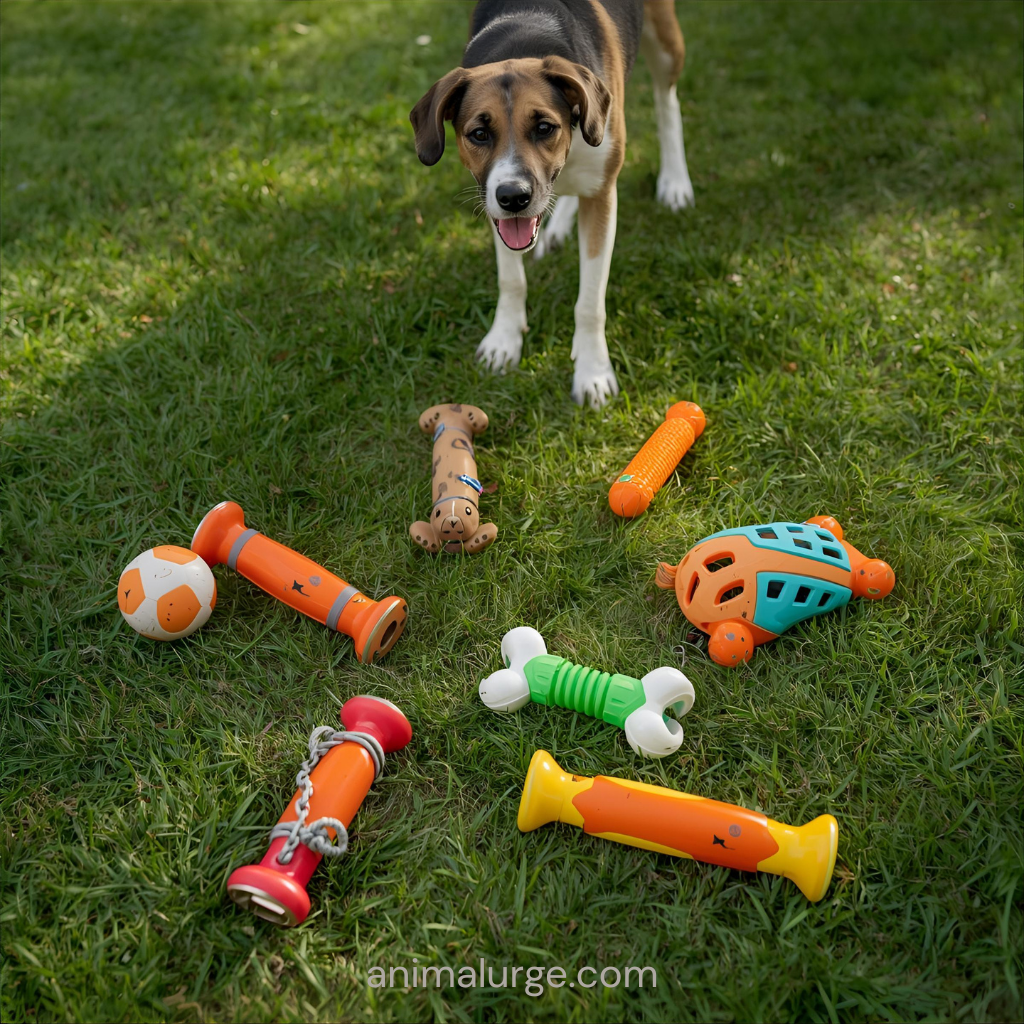
Instead of throwing just one ball or toy, throw several — then ask your dog to fetch a specific one by name. You can also hide toys in the yard and send them searching.
Why it works:
This blends physical exercise with memory, scent detection, and listening skills. It transforms a simple game into a multi-layered mental workout.
Interactive Daily Activities That Strengthen Focus & Calm (21–30)
These activities fit easily into your routine and help your dog stay mentally balanced. They’re simple, practical, and incredibly effective — especially for dogs who get bored or anxious during the day.
21. Slow-Feeder Puzzle Meals
Replace your dog’s regular bowl with a slow-feeder or puzzle feeder for at least one meal each day.
Why it works:
Instead of swallowing food in 20 seconds, your dog has to sniff, paw, nudge, and think to get each piece. This turns mealtime into a brain workout and also improves digestion.
Tip:
Choose adjustable puzzle feeders so you can increase difficulty as your dog gets better.
22. Scent Work on Walks
Spend 10 minutes of each walk letting your dog do “Find it” games. Hide treats in the grass or under leaves as you move along your route.
Why it works:
Walks shouldn’t just be physical. Scent work engages the brain and helps anxious or reactive dogs stay focused on something positive instead of their triggers.
Bonus:
This turns even a short walk into meaningful mental exercise.
23. The Relaxation Protocol (Calm on Cue)
Teach your dog to settle on a mat or designated spot. Reward them when they lie calmly, breathe softly, or stay relaxed.
Once they understand, add mild distractions:
- You take a few steps away
- Someone opens a door
- A toy rolls across the floor
Why it works:
This builds impulse control and teaches your dog how to self-regulate — a life-changing skill for excitable or anxious dogs.
Outcome:
A calmer, more confident dog who can handle everyday stressors better.
24. Clicker Training Mini-Sessions
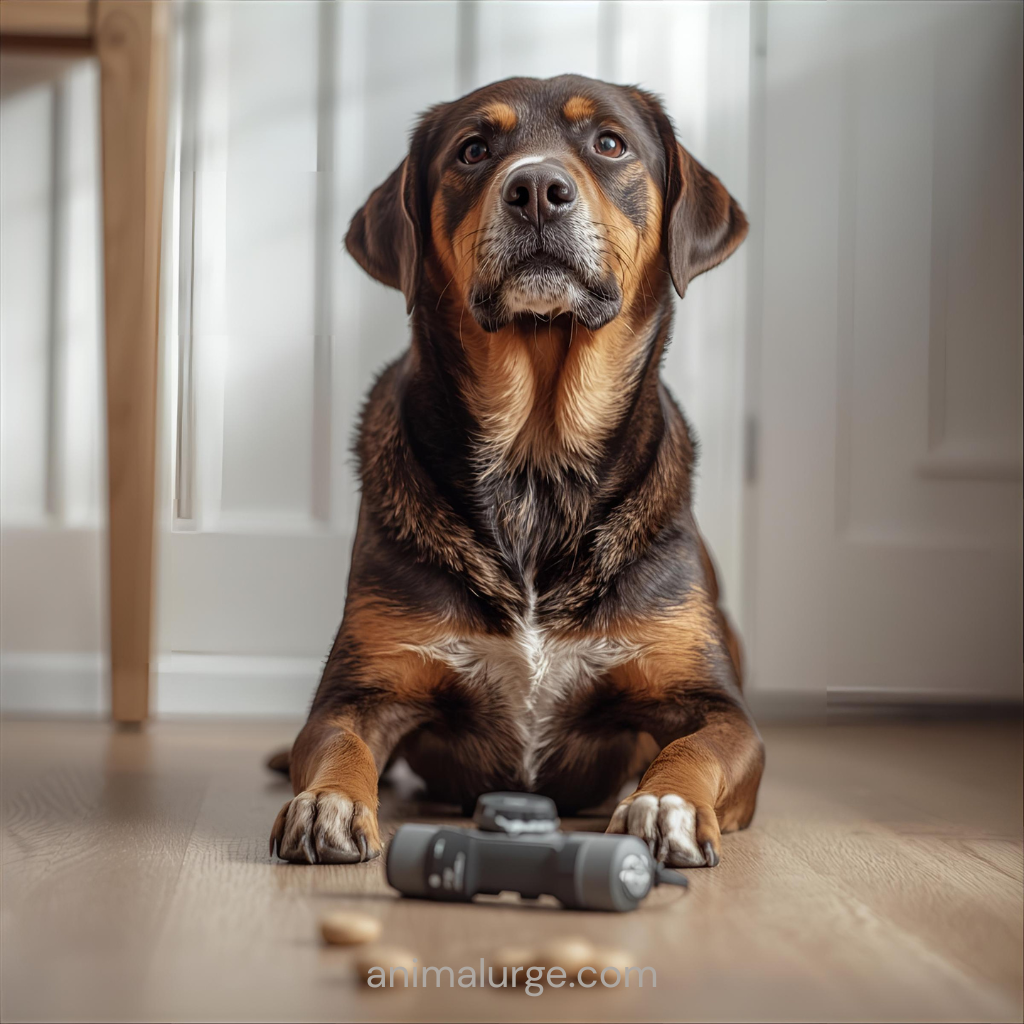
Instead of one long training session, do three short 5–10 minute clicker sessions throughout the day.
Why it works:
Short bursts of focused learning help dogs retain information better. They stay excited and motivated without burning out.
Think of it like:
Mental “snacks” instead of one long, heavy meal.
25. Teach Toy Names
Choose a few of your dog’s favorite toys and give each one a name. Practice daily:
“Get your ball.”
“Bring me your rope.”
“Where’s your Kong?”
Why it works:
Naming toys builds your dog’s vocabulary, memory, and listening skills. Some dogs can learn the names of more than a dozen objects.
Engagement tip:
Make the celebration big when they get it right — this boosts confidence.
26. Backyard Scavenger Hunt
Hide small piles of kibble or treats around your yard and let your dog find their meal.
Why it works:
This taps into natural foraging instincts and turns eating into a rewarding adventure. Dogs love searching — it gives their brain a satisfying job.
Do this:
Once or twice a week to break the monotony of bowl feeding.
27. Problem-Solving Challenges
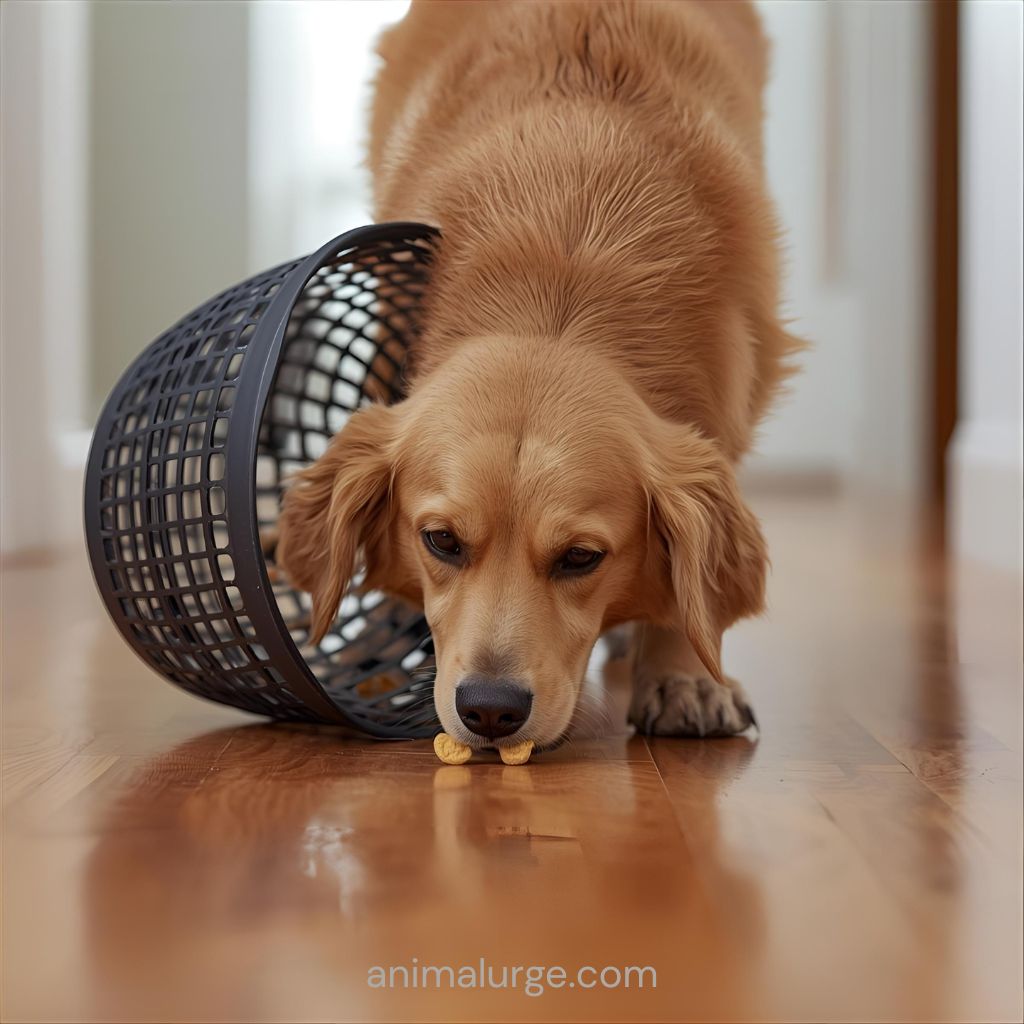
Create simple household puzzles:
- A treat wrapped inside a small blanket
- A toy under an overturned basket
- A treat tucked into a slightly opened box
Why it works:
These real-world challenges help your dog develop persistence, confidence, and cognitive flexibility — the ability to try new strategies when the first one doesn’t work.
Important:
Start simple so your dog stays motivated, not frustrated.
28. The “Relax on Place” Game
Choose a mat, dog bed, or folded towel as your dog’s “place.” Reward them every time they choose to lie there even without being asked.
Why it works:
This builds a self-soothing habit. Many dogs eventually go to their “place” when bored, overwhelmed, or unsure — instead of barking or pacing.
Great for:
Dogs with anxiety, hyperactivity, or poor impulse control.
29. Supervised Window Time
Set aside 15–20 minutes where your dog can sit by a window and calmly observe the world.
Why it works:
Even though it looks passive, your dog is processing movement, sound, scents, and environmental changes. This mental stimulation helps reduce boredom and indoor restlessness.
Note:
Stay nearby so they don’t rehearse barking at every passerby.
30. Rotate Toys Weekly
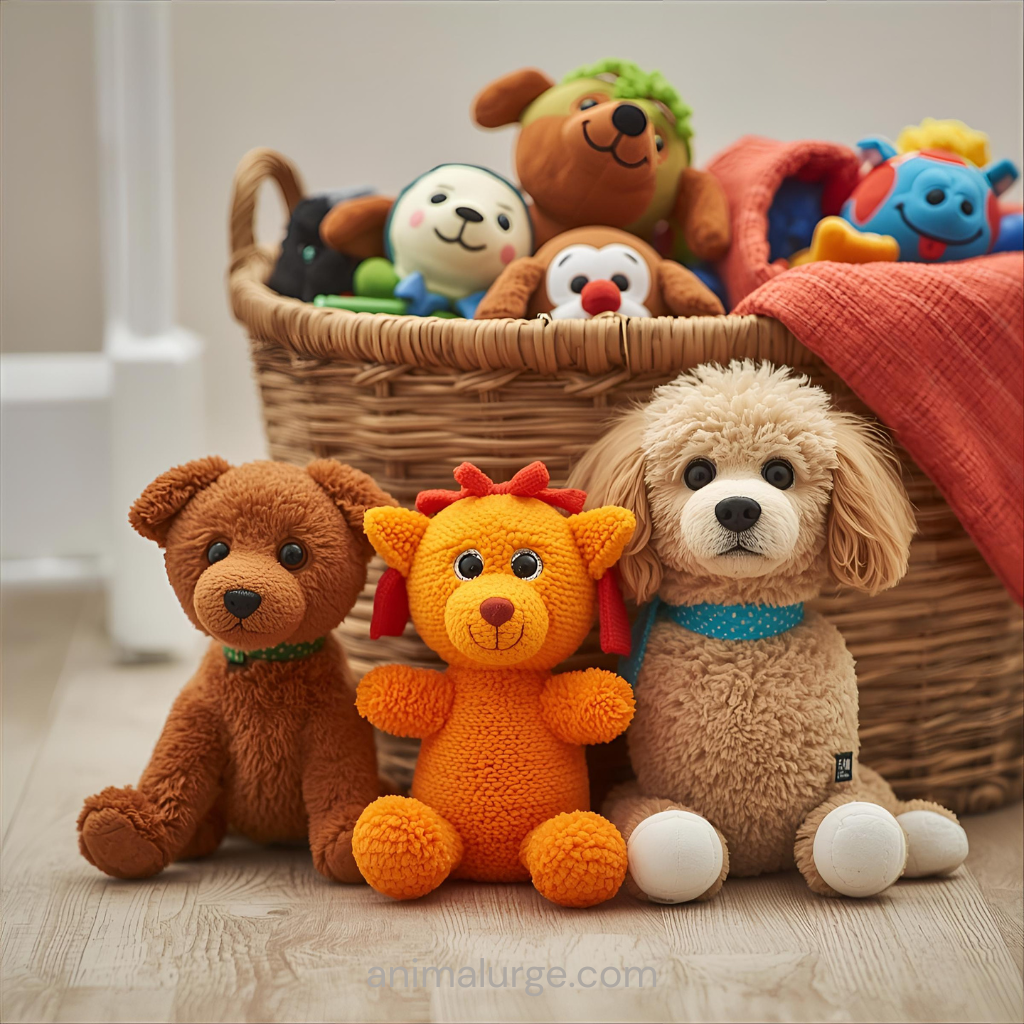
Instead of leaving all toys out, choose three for the week and put the rest away. Next week, swap them.
Why it works:
Rotation creates novelty. A toy your dog ignored last week may suddenly become exciting again.
Think of it like:
A “new toy feeling” without spending extra money.
Simple But Powerful Enrichment Ideas (31–33)
These last three activities may be simple, but they provide deep, calming stimulation — especially for dogs who love to lick, chew, or explore at their own pace.
31. Frozen Treat Experiments
Freeze dog-safe liquids like low-sodium broth or diluted yogurt in ice cube trays. Add a small treat or piece of fruit inside each cube.
Why it works:
Frozen treats melt slowly, giving your dog a long-lasting sensory experience. Licking naturally activates calming pathways in the brain, making this perfect on warm days or during stressful moments.
Great for:
Dogs who need quiet enrichment while you work.
32. Teach “Wait” and “Take It”

Place a treat on the floor. Ask your dog to wait. After a few seconds, release them with a cheerful “Take it!”
Why it works:
This simple impulse-control exercise strengthens discipline and patience. Over time, it reduces grabbing, jumping, barking, and overly excited behavior.
Keep it short:
Just 2–3 minutes a day makes a big difference.
33. One-on-One Training Walk
Once or twice a week, take your dog on a walk that blends training and adventure. Spend 10 minutes walking normally, then switch to 5 minutes of trick practice or scent work. Repeat the cycle.
Why it works:
This combination exercises both mind and body in perfect balance. Dogs return home satisfied, confident, and mentally fulfilled.
A great choice for:
High-energy dogs or dogs who seem restless even after long walks.
How to Use These Activities Without Overwhelming Your Dog
Mental stimulation is like a workout — too much can exhaust or frustrate your dog. Start small and stay consistent.
Here’s what works best:
- Choose 3–4 activities per day, not all 33.
- Keep sessions short — 5 to 20 minutes.
- Watch for stress signals: walking away, whining, barking at puzzles, or shutting down.
- Rotate activities so each one stays exciting.
- Adjust difficulty based on age:
- Puppies need simple, fast wins.
- Adults love complex puzzles.
- Seniors benefit from low-impact sniffing and gentle training.
When in doubt, make things easier. Your dog should feel encouraged, not defeated.
Why All This Matters Beyond Training
Mental stimulation changes more than your dog’s behavior — it transforms your relationship.
When your dog solves a puzzle and looks up at you for approval…
When they rest calmly by your side after a sniff-filled walk…
When they learn something new and their tail wags with pride…
Those moments deepen trust.
Your dog begins to see you not just as the person who feeds them, but as their partner — someone who listens, guides, and makes their world richer.
A dog who feels mentally engaged is:
- Less anxious
- Less destructive
- More confident
- Easier to train
- More relaxed indoors
- And ultimately… happier
The bond you build through play, puzzles, and shared challenges becomes a foundation of emotional security — the kind that lasts a lifetime.
The more you learn to listen to your dog’s mind, the more your dog learns to trust your heart. And that trust is where true companionship begins.