
The real reasons behind “selective hearing” — and the simple changes that transform your dog’s behavior.
Your dog knows the command. They’ve obeyed it flawlessly at home a hundred times.
But the moment you’re at the park and call out “come,” they glance at you…
…and then trot straight toward that squirrel like you don’t exist.
Or your once-obedient teenage pup suddenly ignores “sit” as if they’ve never heard it before.
You feel frustrated. Embarrassed. Maybe even a little defeated.
But here’s the truth nobody tells you:
Your dog isn’t being stubborn, disrespectful, or “bad.” They’re not ignoring you on purpose. Something else is going on — and once you understand it, everything changes.
Let’s break down the real reasons your dog isn’t listening… and how to fix it fast.
The Real Reasons Your Dog Isn’t Listening

Reason #1: Their Brain Is Literally Changing (If Your Dog Is Younger)
If your dog is 6 months to 2 years old, you’re living with a furry teenager — and their brain is in chaos.
During adolescence:
- Hormones surge
- The prefrontal cortex (impulse control) is still developing
- The emotional brain takes over
What does this look like?
- Selective hearing
- Testing boundaries
- Following instincts instead of training
This isn’t disobedience — it’s biology.
Larger breeds often stay in this stage longer, but the good news is:
It’s temporary.
Reason #2: Distractions Are Stronger Than Your Reward
At the park, your dog is flooded with stimuli:
- A squirrel racing by
- A barking dog in the distance
- Food on the ground
- Hundreds of new scents
You’re not competing with your dog’s willpower.
You’re competing with their senses.
Dogs can’t filter distractions the way humans do. Pulling away from excitement is genuinely hard — not defiance.
Reason #3: Inconsistency Has Taught Them Commands Don’t Matter

Hard truth:
If you repeat a command, you’re training your dog to ignore you.
Examples:
- Saying “come” five times → teaches them the first four don’t count
- “Sit… sit… siiit…” → becomes background noise
- Different family members enforcing different rules → confusion
Dogs live in the moment.
If a command brings no reward and no consequence, their brain labels it as optional.
Reason #4: They’re Rewarded for Ignoring You
When your dog runs off and still gets to chase the squirrel, explore the trail, or greet the other dog…
They learn:
Ignoring = fun.
It’s not intentional — but it reinforces the exact behavior you want to stop.
Reason #5: Your Rewards Aren’t Good Enough
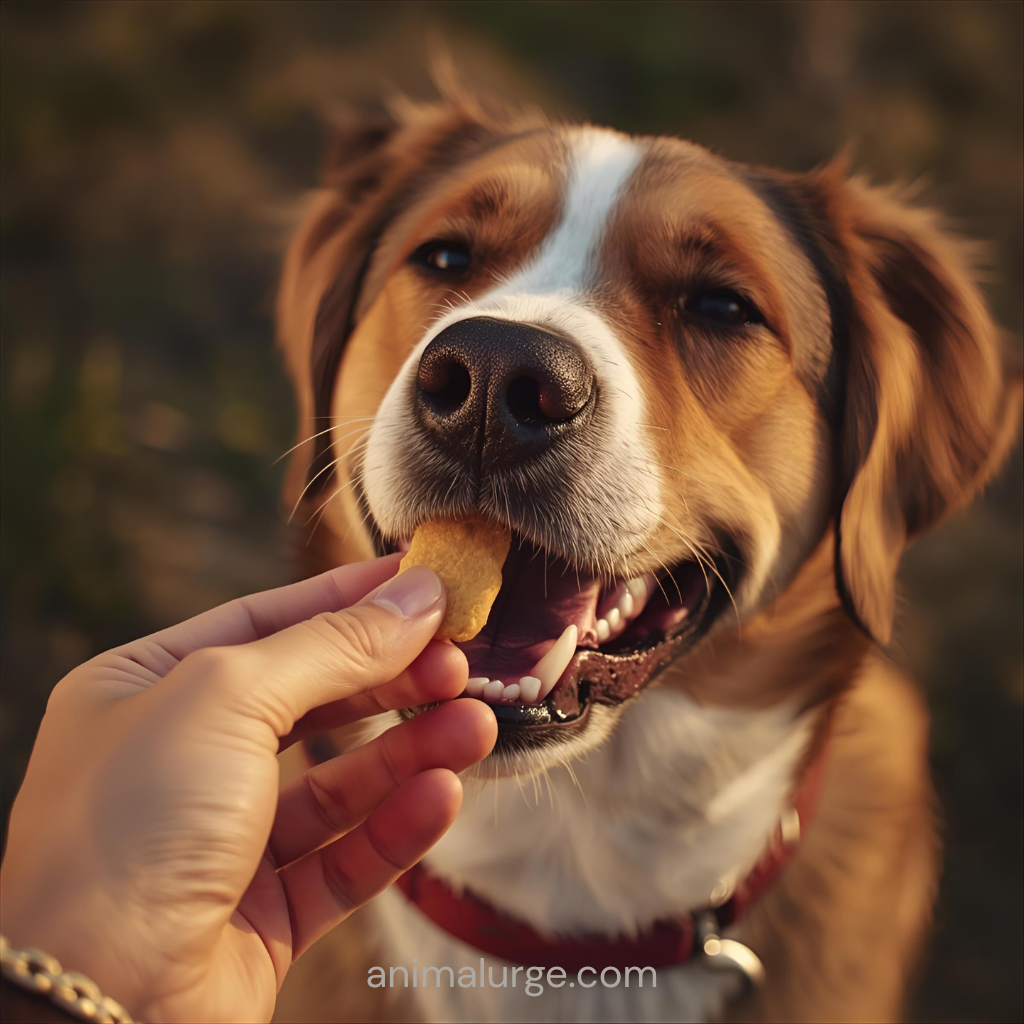
Your dog decides what’s rewarding, not you.
Low-value rewards like:
- Regular kibble
- A pat on the head
…won’t compete against real-world excitement.
High-value treats (cooked chicken, cheese, freeze-dried liver) change everything.
These are not everyday snacks.
They’re special currency for high-distraction moments.
Reason #6: They Don’t Actually Understand the Command
If you’ve repeated a cue 50 times with inconsistent results, your dog may not understand what the word actually means.
Dogs don’t generalize easily.
“Sit” in your living room does not automatically mean “sit” in:
- The yard
- The park
- The vet clinic
- The pet store
They need clarity, not more repetitions.
Reason #7: Health Issues or Age-Related Hearing Loss

If your dog suddenly stops responding, there could be a physical reason:
- Pain
- Ear infections
- Discomfort
- Age-related hearing loss
Senior dogs often begin losing hearing around 8–10 years old.
What looks like stubbornness may be something they can’t control.
How to Fix It — Fast and Forever
These steps work for nearly every dog, every breed, every age.
Use them consistently, and listening improves dramatically.
Step 1: Get Their Attention First
Never give a command until your dog is already paying attention.
Teach a “look at me” cue:
- Hold a treat near your eyes
- Say “look” or “watch me”
- The instant they make eye contact → mark (“yes!” or clicker)
- Reward immediately
This becomes the foundation of all obedience.
Step 2: Use One Clear, Consistent Command
Pick one word and stick to it:
- Not “come” sometimes and “here” other times
- Not “down” for lying down and “off” sometimes
Everyone in the household must use the same cue.
Consistency = clarity.
Step 3: Only Give Commands You Can Enforce
Every ignored command weakens the cue.
So:
- Start training in low-distraction environments
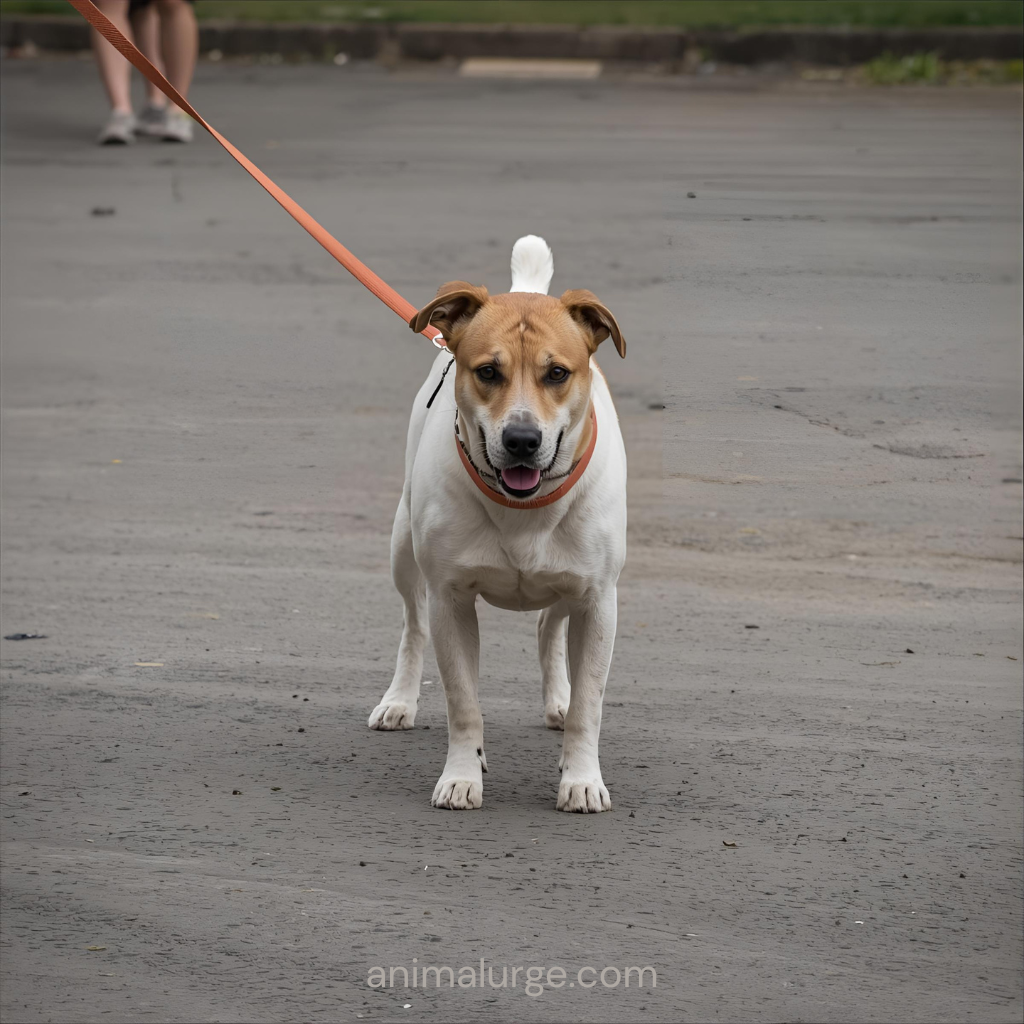
- Use a leash to prevent ignored recalls
- Build success gradually
Once they’re reliable at home, slowly increase difficulty.
Step 4: Reward Immediately — Within One Second
Your timing matters more than your treat.
Reward instantly, or your dog won’t associate the behavior with the reward.
Use high-value treats and enthusiastic praise.
Listening should feel worth it.
Step 5: Find What Truly Motivates Your Dog
Your dog may prefer:
- Toys
- Tug
- Play
- Praise
- Food
Discover their top motivator and use it intentionally.
Save the best rewards for the hardest challenges.
Step 6: Never Repeat a Command
This rule alone can transform your dog.
Saying “come… come… come!” teaches them:
“You don’t have to listen the first time.”
If they don’t respond:
- The challenge was too hard → go back a step
- Use a leash to prevent failure
- Guide → reward → rebuild the cue
Step 7: Reward Progress, Not Just Perfection
Dogs learn fastest when they experience frequent wins.
If your dog:
- Looks at you → reward
- Takes a step toward you → reward
- Begins to focus → reward
Shape behaviors in small steps.
Step 8: Break Big Behaviors Into Tiny Pieces
Instead of jumping straight to:
“Come in a busy park,”
train these steps:
- Come in the bedroom
- Come in the living room
- Come in the backyard
- Backyard with distractions
- Front yard
- Quiet park
- Busy park
Success builds in layers.
Step 9: Keep Training Short and Fun
5–10 minutes is ideal.
End while your dog is still energized and successful.
Training should feel like play, not pressure.
Step 10: Adjust for Older Dogs
Senior dogs may need:
- Hand signals
- Softer commands
- More patience
- Treatment for underlying pain
A deaf or hurting dog isn’t ignoring you — they need your understanding.
Step 11: Rebuild Trust and Connection
Dogs listen best when they trust you.
Strengthen your bond through:
- Play
- Walks
- Grooming
- Quality time
- Enthusiastic praise
Every successful command builds connection.
Step 12: Be Consistent for 2–4 Weeks
If your dog has practiced ignoring you for months, retraining won’t be instant.
But within 2–4 weeks, most dogs show dramatic improvement.
What NOT to Do
Avoid:
- Yelling
- Harsh corrections
- Punishment
- Shock collars
- Choke chains
Fear destroys trust — and trust is the foundation of listening.
Training built on trust is strong.
Training built on fear is fragile.
✔ Quick Checklist: Am I Doing This Right?
- ✓ I only give commands when I’m confident my dog can succeed
- ✓ Everyone uses the same cues
- ✓ I reward within one second
- ✓ I use rewards my dog cares about
- ✓ I don’t repeat commands
- ✓ I train in calm places first
- ✓ I keep a kind, confident tone
- ✓ I celebrate small wins
The Real Truth About Why Dogs Don’t Listen
Your dog isn’t ignoring you to be difficult.
They’re:
- Distracted
- Overstimulated
- Under-rewarded
- Confused
- Physically limited
- Or not guided consistently
But here’s the hopeful part:
All of these are fixable with clarity, patience, and the right training approach.
The perfectly obedient dogs you see aren’t “special.”
They’re trained with:
- Consistency
- High-value rewards
- Clear communication
- A strong relationship
You can absolutely have that dog too.
That magical moment when your dog ignores the squirrel and runs straight to you?
That’s when you realize:
Training was never just about obedience — it was about communication and trust.